Integrating Sustainability into Multidisciplinary Forestry Education in South Africa
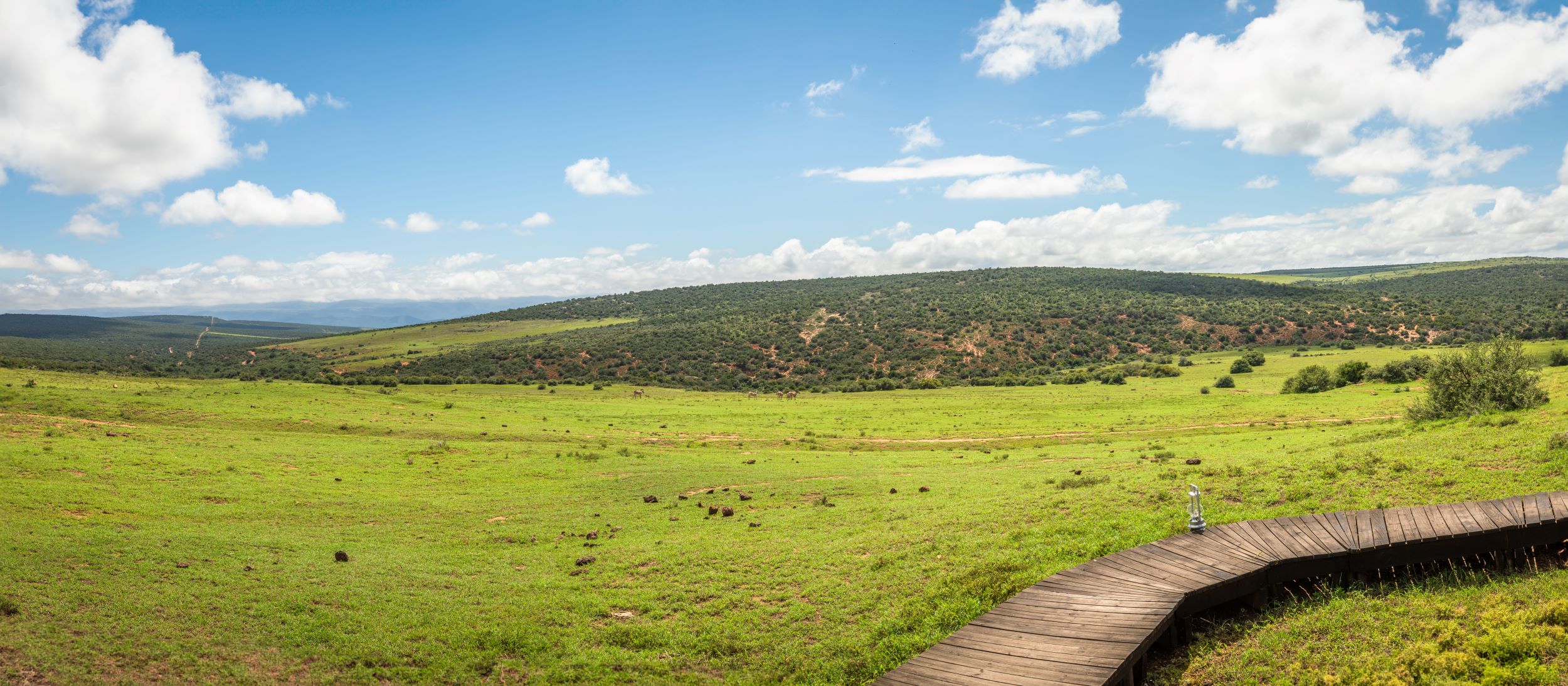

Forests are the lungs of the world. They are essential for sustaining life and serve as a significant source of livelihoods. Ensuring the sustainable use of forests —and understanding their value not only economically but also for the wellbeing of individuals and communities — is one of the defining challenges of our shared future. South Africa is, in many respects, a key country in Africa’s forestry sector. It has extensive forest resources, and its forest industry dominates a large share of the sector in southern Africa. South African forestry professionals are in a central position in guiding the path toward global sustainability.
As in many countries, education in South Africa often views the world too narrowly through the lens of each individual discipline. Forestry and related economic activities currently contribute more than 10 percent of the country’s GDP. There is, however, potential for further growth, and the social and ecological dimensions of sustainability could be strengthened.
HAMK is joining an EU‑funded Erasmus+ capacity‑building project that aims to broaden forestry education towards interdisciplinarity and integrate the understanding of socio‑ecological systems into it. Our goal is to bring entrepreneurship and economics education closer to forestry education.
Bringing companies and organizations into teaching and curriculum development
As in all fields of education, it is essential to listen to the needs of working life and society when planning forestry curricula. Equally important is implementing teaching in collaboration with businesses and societal actors. The FUTURE21 project brings together partners such as the Forestry South Africa industry association and environmental NGOs. This ensures balanced dialogue between different stakeholders. The academic content and quality of education are led by two key forestry universities in the country: Nelson Mandela University, which coordinates the project, and the University of Mpumalanga.
From Europe, HAMK is joined by Inland Norway University of Applied Sciences, one of the pioneers in problem‑based learning in the forestry sector. Together, their role is to provide models and training on how different disciplines can work together and how businesses and civil society organisations can be integrated into different phases of teaching.
The relationship between people and nature is at the core
A key component of the project is the role of socio‑ecological systems as part of sustainability. This approach is grounded in the idea that nature and people are intertwined in a complex, constantly changing relationship. Economic, political, and cultural factors influence this relationship just as much as ecological changes. Understanding this interplay is crucial in South Africa, where the population is growing rapidly, jobs are urgently needed, debates on land‑use rights are ongoing, much of forestry relies on plantation forests, water availability is highly limited, and natural forests need protection.
Reconciling these perspectives requires multidisciplinary approaches. Throughout the three‑year project, we work to bring together natural sciences, social sciences, and economics. Through shared pedagogical models, graduates and professionals in working life can be offered higher‑quality, deeper, and more comprehensive education that recognizes different perspectives and methods.
Overview
Name: Multidisciplinary socio-ecological education in South Africa for sustainability (FUTURE21)
Funding: Erasmus+ CBHE
Duration: 1 January 2026 – 31 December 2028
Budget: 1 000 000 € (HAMK’s share 194 031 €)
Partners: Nelson Mandela University, University of Mpumalanga, Forestry South Africa, Garden Route Biosphere reserve, Kruger to Canyons Biosphere region (South Africa), Häme University of Applied Sciences (Finland), Inland Norway University (Norway)
Beneficiaires: Nelson Mandela University, University of Mpumalanga, Forestry South Africa, Garden Route Biosphere reserve, Kruger to Canyons Biosphere region
More information: