Nordplus Intensive Week at HAMK: A Student Experience
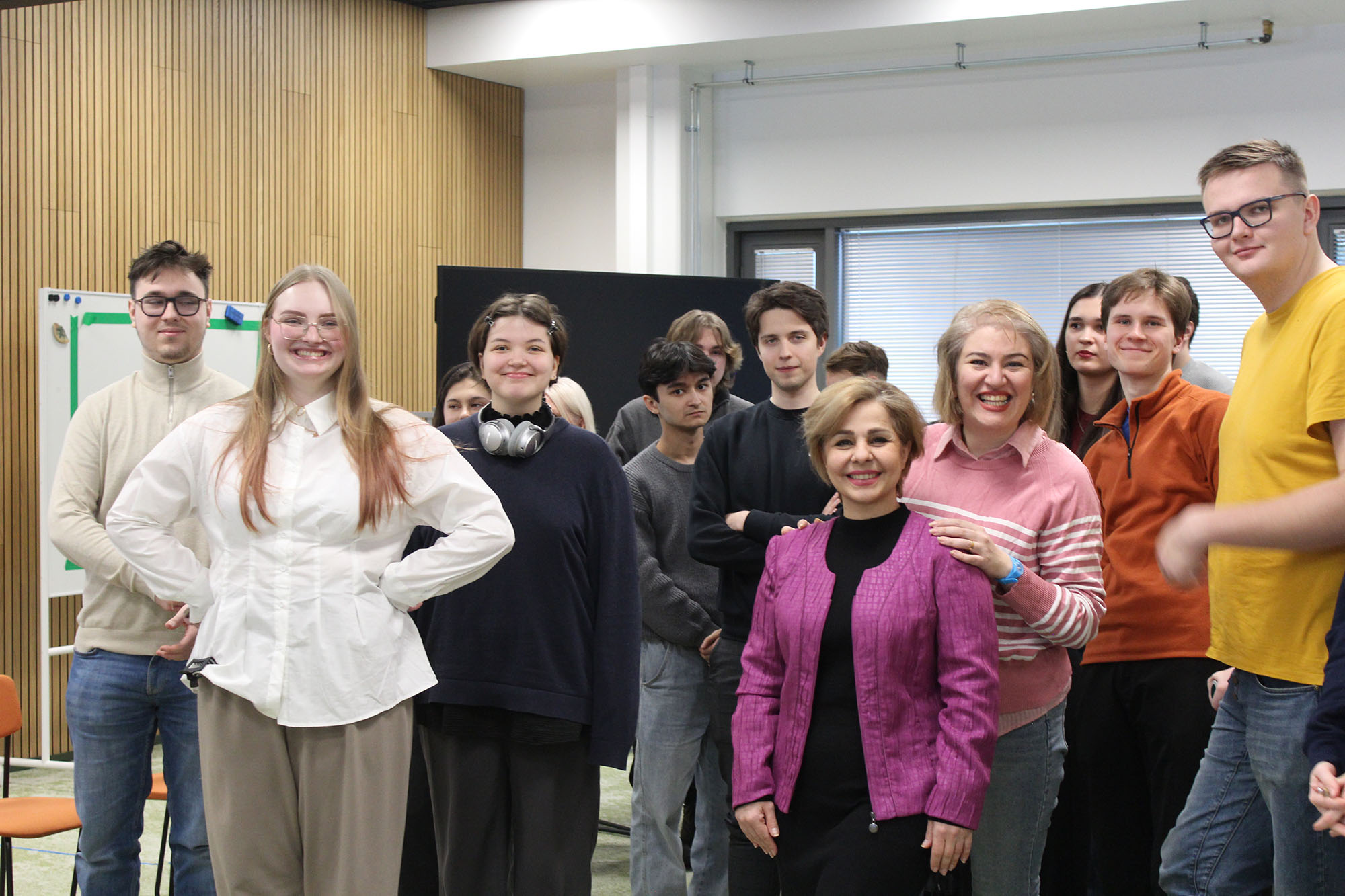
The International Business degree programme at HAMK hosted students from across the Baltic region for an inspiring Nordplus intensive week.
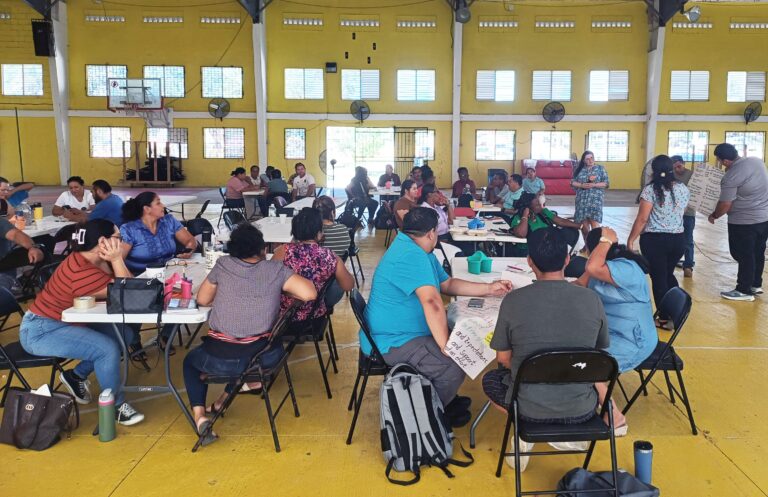
During the week, students worked together on a shared challenge: exploring future possibilities for Nordic societies. Through interdisciplinary teamwork, they examined topics ranging from artificial intelligence to sustainability, while developing innovative ideas and prototypes.
Students from Stockholm School of Economics in Riga, Estonian Aviation Academy, and Estonian Business School joined second-year HAMK International Business students for a week of collaboration, creativity, and future thinking.
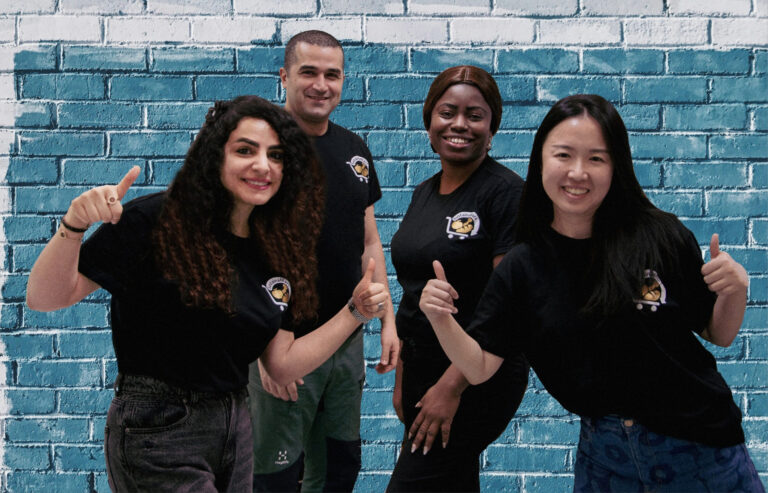
To learn more about the experience, we asked several participating students to share their reflections on working with peers from different countries and fields of study.
For many students, the most memorable moments came during the process of developing their prototypes
For Tereza, the highlight came just before the final presentations:
– The anticipation was palpable. At the same time, it was really exciting and entertaining to see how everyone’s ideas came to life.
Working in interdisciplinary and multicultural teams played a key role in shaping the experience. Students quickly realized that perspectives on the future can vary depending on one’s background, studies, and experiences.
Urte, who is originally from Lithuania, felt that collaborating with Latvian and Estonian students was very natural. According to her, the shared regional background meant they often had similar values and viewpoints, which made discussions about both realistic and more utopian visions of the future flow easily.
For Tereza, however, the most interesting difference came from working across disciplines. She noted that aviation students approached future challenges in a very different way compared to business students, bringing unique insights to the team.
Like many collaborative projects, the intensive week also came with it’s challenges
Reflecting on these experiences helped students learn valuable lessons about teamwork and communication. Manoranjini explained that one of the main difficulties in her group was bridging the gap between engineering-focused thinking and more socially oriented perspectives. Reaching agreement on a shared topic was not always easy. However, open communication, active listening, and support from teachers helped the group overcome these challenges and move forward together.
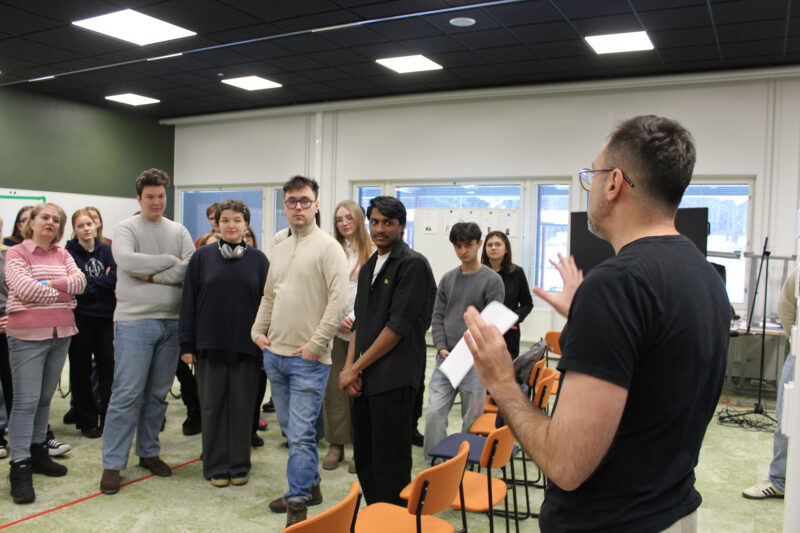
For Tereza’s group, the initial challenge was simply getting to know new teammates and quickly learning how to work together during such a short but intensive period. Fortunately, ice-breaking activities at the beginning of the week helped create a positive atmosphere:
– They really set us up for a great start.
Another challenge was balancing participation within the group, as some members were more active than others. Instead of pressuring quieter members, the team encouraged them by listening attentively when they shared their ideas, creating a more supportive environment for collaboration.
Beyond teamwork skills, the project also influenced how students viewed their own role in shaping the future. Denis reflected that before the project, he often felt pessimistic about the future and unsure about how much influence individuals could have. However, the experience changed his perspective:
– The project gave me the feeling that all of us could change the future if we start from ourselves. I can change the future by simply using public transport instead of using a personal car, or by regulating my prejudice and avoiding stereotyping.
Manoranjini shared a similar realization. Through the project, she recognized that change does not only come from governments or large corporations. Students and individuals also have the power to influence the future through collaboration, new ideas, and shared initiatives.
Although the week was intensive, students agreed that it was extremely rewarding. Along the way, they developed a wide range of valuable skills. Urte highlighted the improvement of her teamwork abilities and the experience of working effectively under pressure and tight deadlines:
– I gained stronger teamwork skills and the ability to work effectively in challenging situations.
Denis also emphasized the practical skills gained during the week, including strategic thinking, communication across different disciplines, and finding common ground within international teams. These experiences, he noted, will be highly valuable in future professional environments.
Initiatives like the Nordplus intensive week provide students with opportunities to collaborate across cultures, experiment with new ideas, and develop practical skills through hands-on projects. At HAMK’s International Business program, experiences like these help prepare students for their future careers while encouraging innovative thinking and global collaboration in an ever-evolving world.