Joy and energy to teaching from Burgos, Spain
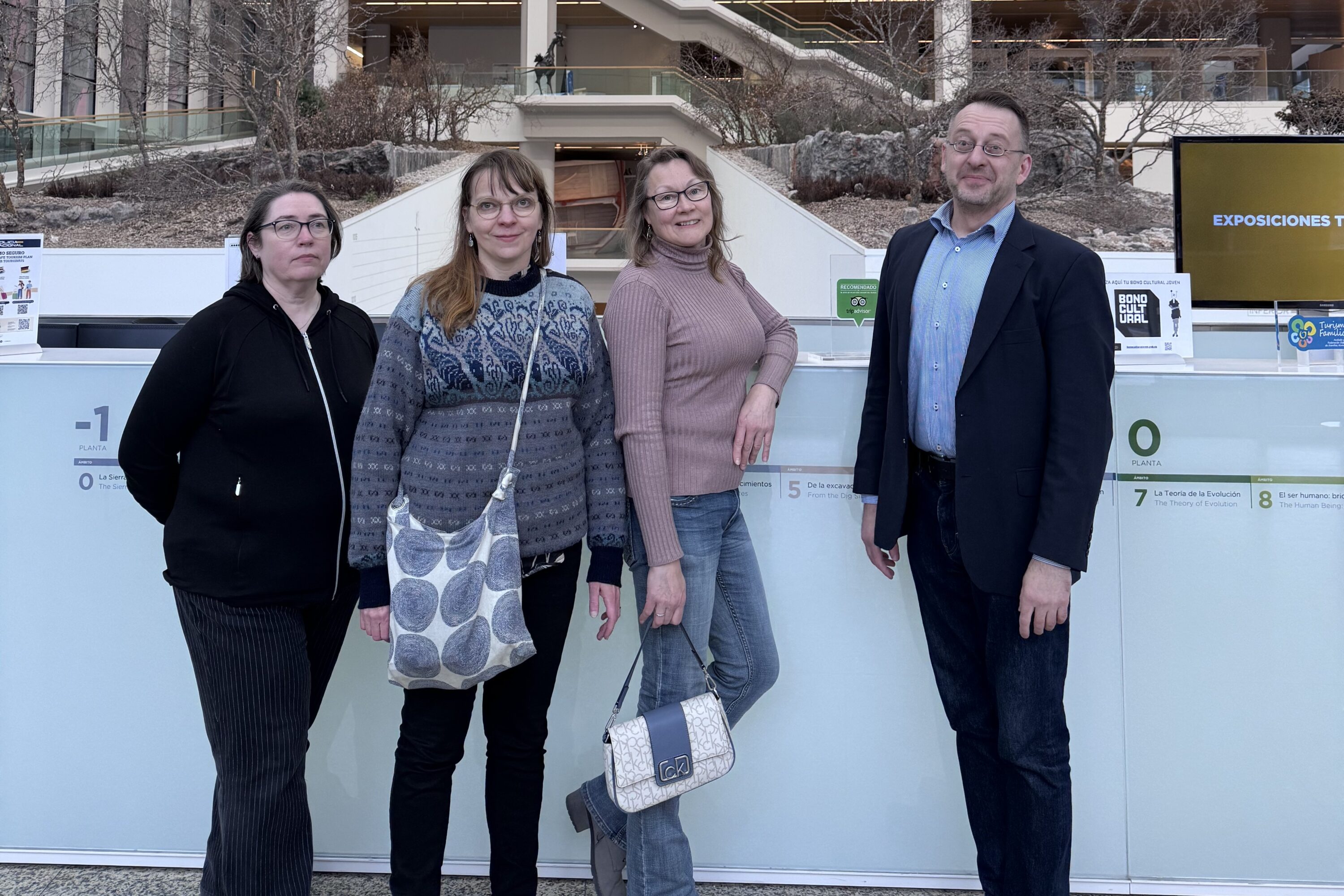
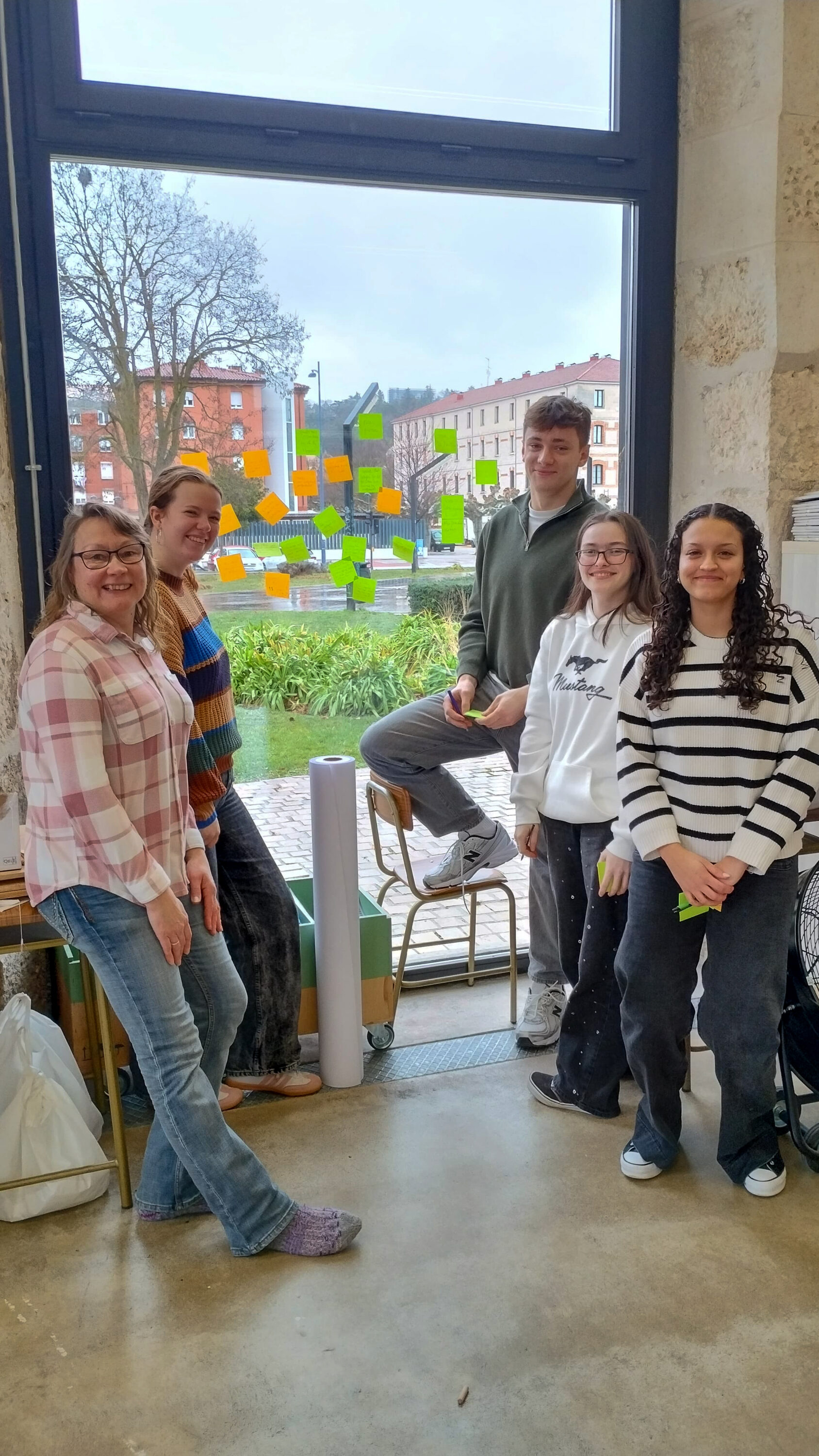
In January 2026, we spent a week studying in Burgos, Spain. The study period was a one-week “Blended Intensive Program” (BIP). Four students from HAMK School of Professional Teacher Education participated.
The training was organised as part of the EU-SIDE project, which is part of a broader EU framework. Its goal is to promote social innovation skills, citizen participation, social innovation, sustainable development, and digital citizenship. Elina Niiranen, Pia Kekkonen, Sami Aherva, and Virve Häyrinen who participated in the from our School of Professional Teacher Education share their experiences in this article.
Multicultural learning and teamwork in Burgos
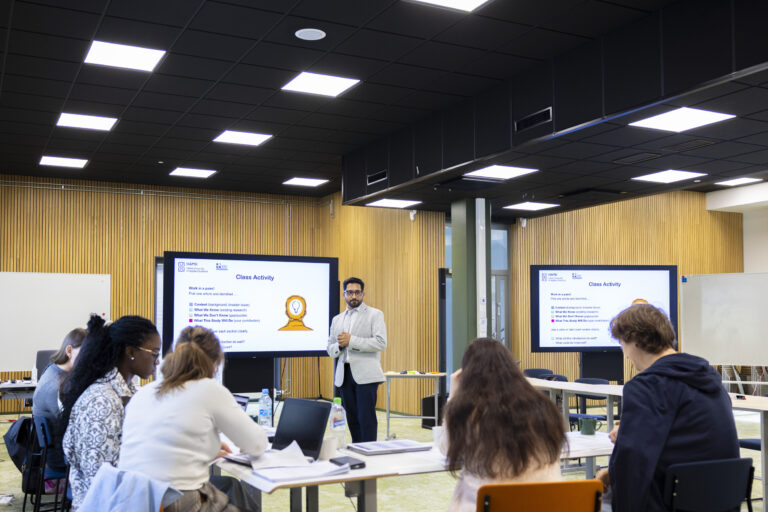
The BIP short course, titled “Inclusive by Design: Media-Wise Teaching for Social Innovation,” focused on teaching media literacy, social innovation, and an empathetic approach to young media users.
Our study group in Burgos was made up of student teachers from all over Europe. In addition to us Finns, the BIP included students from Spain, Portugal, Belgium, the Netherlands, and Ireland.
For a week we worked in groups with students who were considerably younger than us Finns — in their early twenties. The young student teachers turned out to be a brilliant group. The age difference didn’t hinder us, it more enriched our discussions by bringing out the perspectives of different generations. This was particularly evident in the discussions among participants from different countries, which were among the highlights of the week. We shared views on the cultural differences in teacher education and the teaching profession. Although the days were intense and long, they offered a fun time together.
We brought to the group work balance and perspective gained from our previous work, academic, and life experiences.
We who participated from HAMK played many different roles. We brought to the group work balance and perspective gained from our previous work, academic, and life experiences. We were HAMK’s unofficial project ambassadors in Burgos and, to some extent, ambassadors for Finland as well. After the study week, it seemed that some of our international classmates were interested in participating in the future BIP course organised by HAMK, and possibly traveling to Finland, a country previously unfamiliar to them.
Good language skills were a clear advantage during the Erasmus exchange, as it made everyday situations and communication easier. Still, you can get by just fine with lower language skills, and fluency is by no means a prerequisite for a successful exchange. That’s why you should definitely apply for exchange programmes, even if your language skills might feel a bit rusty. Any uncertainty about our skills quickly faded because the other students were encouraging and helpful, and they were happy to step in when someone couldn’t find the right word right away. Our language skills improved along the way without even noticing, as we used the language in everyday life, in class, and in new situations. During the exchange we learned not only the language but also self-confidence, and we often realised that we knew much more than we thought we did.
School culture and other cultural experiences in Burgos
On the third day we visited a Spanish elementary school. We shared with the students the ideas we had developed during the previous day’s group work, and acted as teachers. Throughout the day, the importance of engaging the students and listening to them, brainstorming together, and the value of feedback were emphasised. This improvised presentation, conducted under time pressure, was a true reflection of the daily life of a modern-day teacher. Classes in Spain were held in a historic building but with modern tools.
Burgos also offered a wide range of experiences outside of the classroom. We visited a museum dedicated to human evolution and the massive Gothic Cathedral of St. Mary, which was first built in the 13th century and later expanded. Spanish cuisine captivated us with its diverse flavors, and we enjoyed paella, churros, and local meatballs. Winter in Burgos also offered a very different experience of Spain. Winter in the mountains of northern Spain was comparable to winter in Finland: people were used to layering their clothes, and street maintenance practices were similar to those in Finland.
What is EU-SIDE?
EU-SIDE (European Social Innovation & Democratic Education) is a new Teachers’ Academy that focuses on social innovation and democracy education. The Academy offers teachers the opportunity to develop new skills and methods that address today’s societal challenges.
The EU-SIDE project is engined by the European University RUN-EU Regional University Network, bringing together 9 partners and 30 associated schools from 6 EU countries.
The project duration is from 1.3.2025 to 29.2.2028 and it is co-funded by the European Union.