Integrating sustainable development into vocational education in Kenya
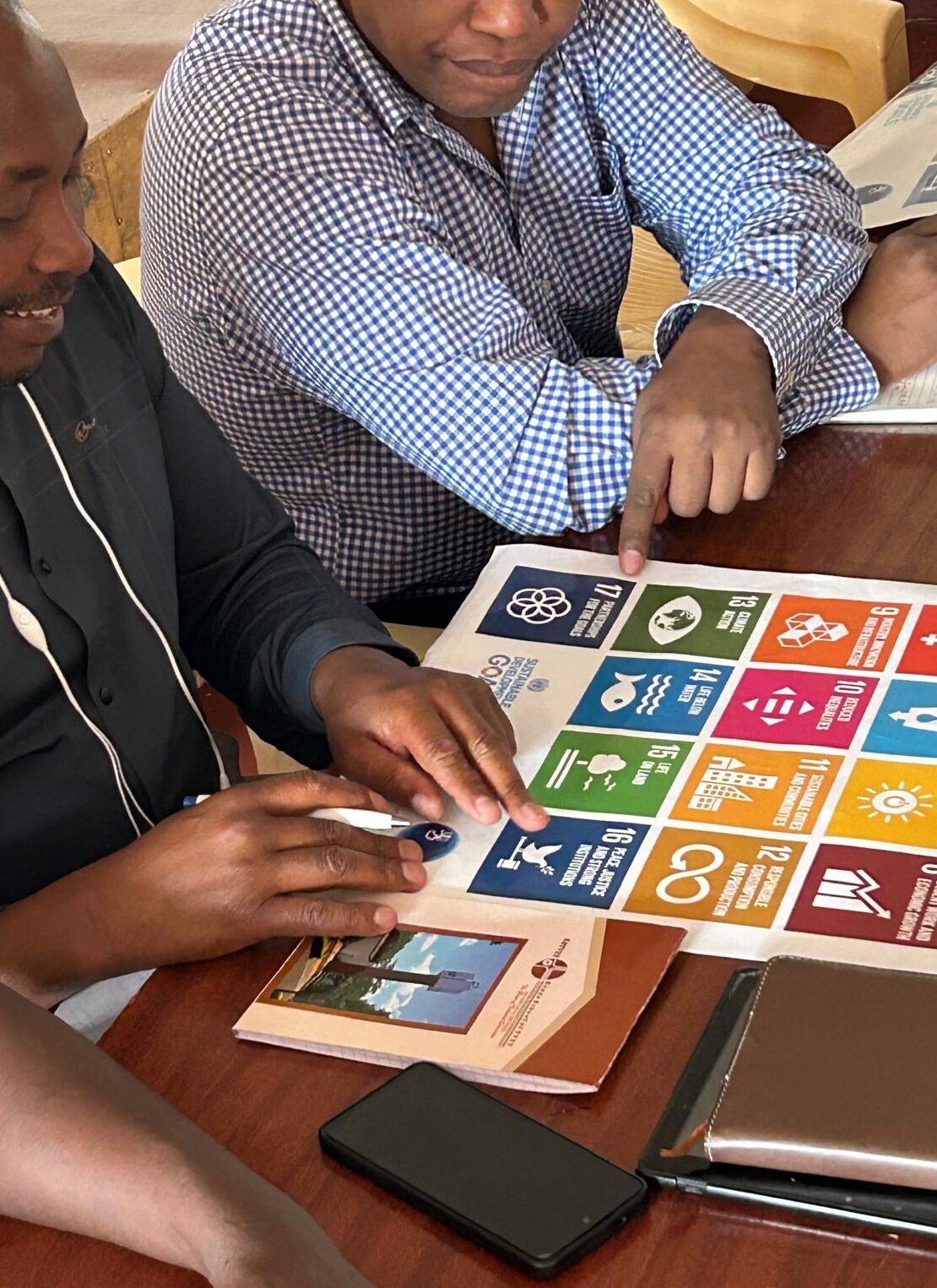
We have worked closely with Kenyan teachers, vocational institutions and authorities to make sustainable development a natural part of vocational education in Kenya. The work has progressed step by step, with a strong focus on practical implementation and everyday teaching rather than abstract principles.
The activities were carried out in 2024–2025 as part of the Kenyan TVET Goes Green initiative, coordinated by Häme University of Applied Sciences (HAMK) in cooperation with Kenyan partners. The focus, however, was not on the project itself, but on shared learning, collaboration and building solutions that work in the local context.
Working together with teachers and institutions
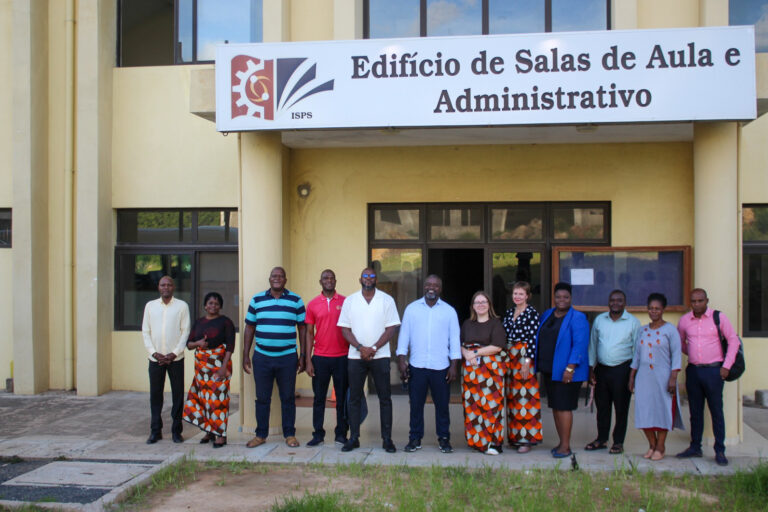
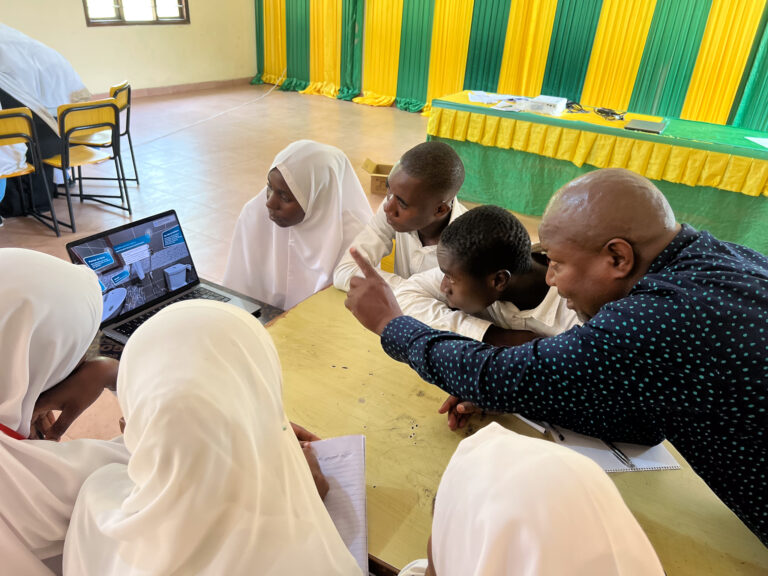
During the spring and autumn, we worked with three Kenyan vocational institutions: Maasai National Polytechnic, Thika Technical Training Institute and Kasarani Technical and Vocational College. More than 50 education professionals participated in the activities, including vocational teachers, teacher educators and representatives of educational administration.
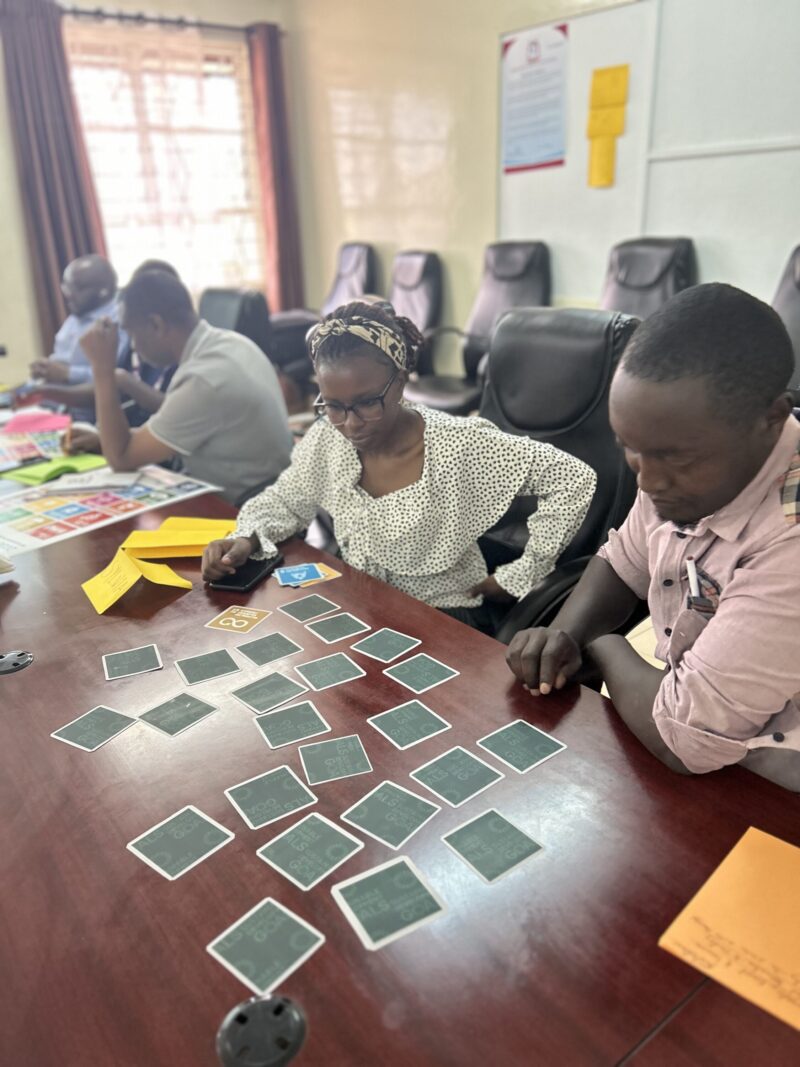
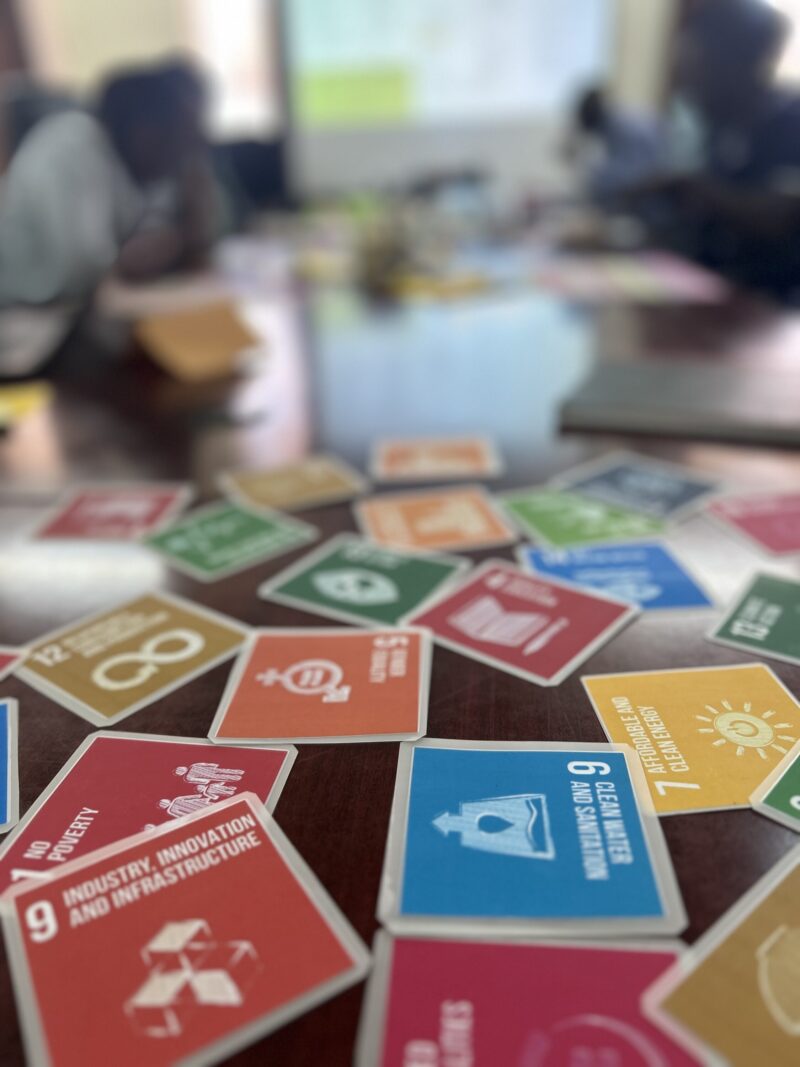
The work was based on training workshops and co-creation. Together, we explored what sustainable development means in different vocational fields and how it can be meaningfully integrated into teaching and learning. Competence-based education principles and pedagogical design methods were used to connect sustainability themes directly to vocational skills and professional practice.
The current curriculum situation in Kenya was carefully taken into account. As sustainability-oriented curricula developed earlier had not yet been formally adopted, teachers mainly worked with existing national curricula. This made it possible to integrate sustainability directly into everyday teaching and ensured that the developed competences can also be transferred to future curricula.
Practical tools and a shared direction forward
As a result of the joint work, a practical Sustainability Toolkit for Greening TVET Curricula was developed. The Toolkit supports a step-by-step approach to integrating sustainability into vocational curricula: identifying the relevance of sustainability in different fields, defining the required knowledge, skills, attitudes and values, and translating these into competence-based learning outcomes and teaching content. The Toolkit can be used in curriculum development, teacher education and workshop-based processes.
In addition, a national Action Plan for Greening TVET Curricula in Kenya (2025–2030) was developed. The Action Plan outlines a shared direction for advancing sustainable practices across the Kenyan TVET system, including development actions, responsibilities, monitoring and key risks. Its aim is to support long-term, systematic change beyond individual institutions or initiatives.
The work demonstrated that integrating sustainable development into vocational education is possible even when structural reforms progress gradually. Teachers’ pedagogical competence, collaborative development and practical tools play a central role in driving change. The outcomes provide a solid foundation for future development in Kenya and offer adaptable models for other education systems seeking to combine sustainability with work-based learning and vocational competence.
What this is about
The work focused on exploring how sustainable development themes can be integrated into vocational skills and everyday teaching within Kenya’s TVET system. The activities were carried out through co-creation with Kenyan vocational institutions, teachers and public authorities.
Key focus areas included:
- integrating sustainable development into vocational curricula
- strengthening teachers’ pedagogical competence
- developing practical tools to support teaching and curriculum work
As a result of the work
- a Sustainability Toolkit to support the development of TVET curricula was created
- a national Action Plan was developed to promote sustainable practices in Kenyan vocational education for 2025–2030
The work was coordinated by Häme University of Applied Sciences in cooperation with Kenyan institutions and stakeholders. Activities were carried out in 2024–2025 with the support of the Finnish and German governments.
More information: