Survey: Under-45s and Businesses Support HAMK’s City Centre Campus
Residents of Hämeenlinna aged 15–44 are the most positive about HAMK’s campus moving to the city centre. Among business representatives, as many as 76% are in favour of the city centre campus. These findings are based on recent surveys conducted by Iro Research on behalf of Häme University of Applied Sciences (HAMK).
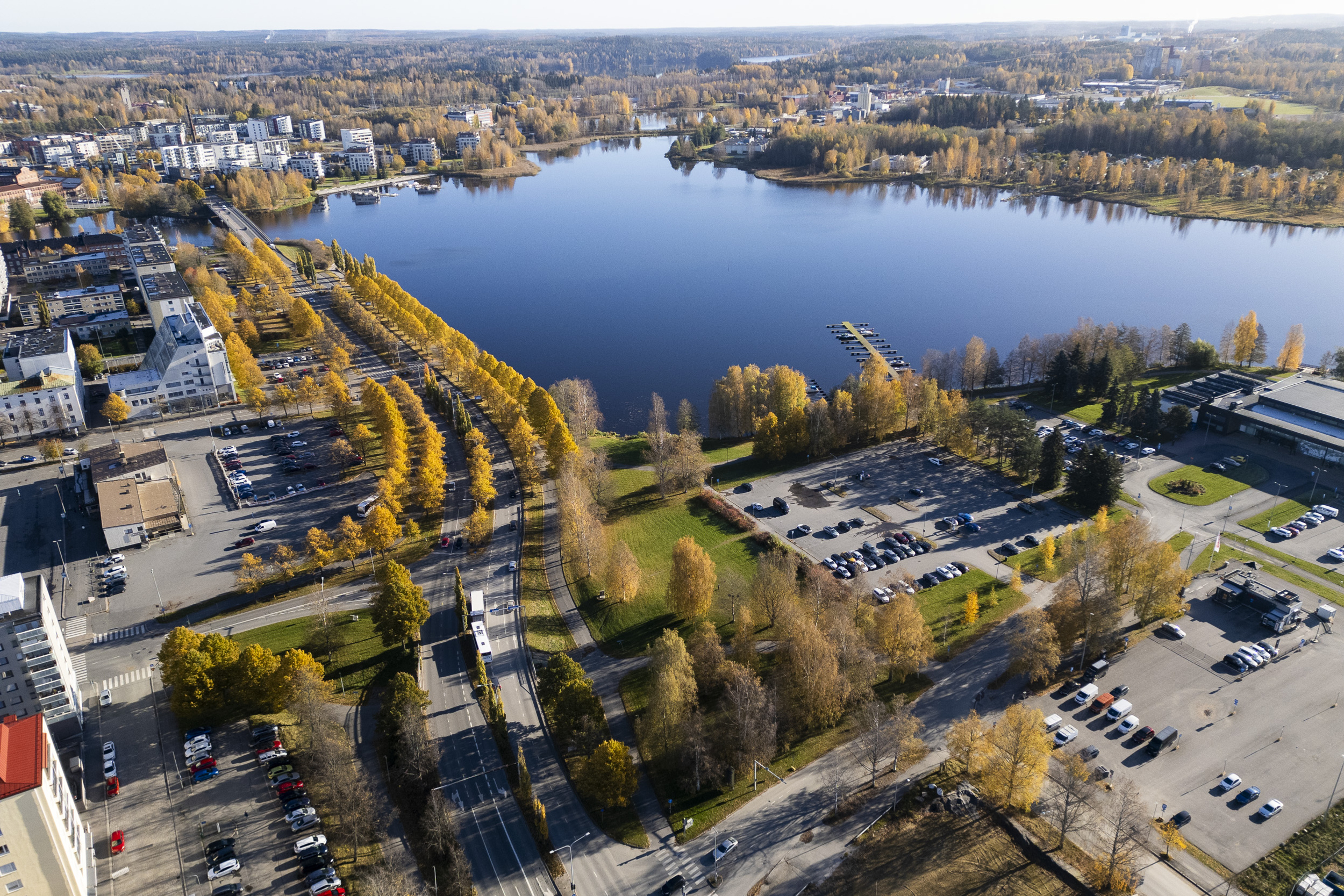
HAMK and the City of Hämeenlinna have been preparing for the possible relocation of HAMK’s campus to the city centre. In November, HAMK surveyed residents’ views on the potential move, with around 700 Hämeenlinna residents responding. According to the results, about half of residents view the move positively, while one third are opposed.
Among younger age groups (15–44), 65% support HAMK moving to the city centre to some extent. The most positive group is 35–44-year-olds: 36% said they support the city centre campus very strongly, 16% quite strongly and 13% somewhat. The benefits most often mentioned include bringing vitality and life to the city centre, improved accessibility and transport links, better opportunities for collaboration with different stakeholders, and positive impacts on the city’s development and brand.
Older age groups are more critical, with 52% of residents aged 65 and over opposing the city centre campus. Those against the project believe there is not enough space in the centre for a large campus, student housing or parking. Some fear that parks and recreational areas could suffer, and many anticipate parking challenges.
Views also varied by life situation: students and school pupils were the most positive (54% support very or quite strongly), while pensioners were the most critical (only 18% support very or quite strongly). Similarly, those who have lived in Hämeenlinna for over 25 years were most opposed, while the strongest support came from residents who have lived in the city for 1–4 years.
“The differences between respondent groups in this survey are exceptionally large. It is understandable that if the city’s and the university’s development over the coming decades does not directly affect oneself or one’s children, it may not feel important. However, we are talking about an investment in the coming decades. The aim is to strengthen the future of higher education in the region. The city centre campus would be built in the early 2030s, with a long-term outlook extending into the 2040s,” says Mari Kamaja, HAMK’s Director of Development.
Businesses back the city centre campus
Of the businesses operating in Hämeenlinna’s city centre area, 76% said they support the city centre campus at least to some extent. Only 14% of business representatives opposed HAMK’s move to the city centre. Fifty businesses from Hämeenlinna responded to the survey.
Businesses see HAMK’s relocation as bringing more customer flow, vitality, and collaboration opportunities. Open comments highlighted benefits such as revitalising the city centre, increasing its attractiveness to students, and positive impacts on businesses. Concerns included relocation costs, the vacancy of current premises, and parking-related issues.
Residents and businesses want a more vibrant city centre
The surveys also explored residents’ and businesses’ thoughts on revitalising the city centre. The results reveal a strong desire to develop the city centre. Among residents, 95% and among businesses, 94% believe that the vitality of the city centre should be increased at least to some extent. Residents especially want a more pleasant urban environment, more people and activity, services and shops, as well as events and experiences. Businesses emphasised better operating conditions for entrepreneurs and companies.
Survey details
The surveys were conducted by Iro Research on behalf of Häme University of Applied Sciences.
- Resident survey: Target group – residents aged 15 and over in Hämeenlinna’s central area. Results weighted by gender and age. Sample size: n=697 respondents.
- Business survey: Target group – businesses in Hämeenlinna’s city centre area. Sample size: n=50 respondents.
- Surveys were conducted between 19–30 November 2025.
Further information