HAMK strengthened digital pedagogy in vocational education in Tanzania
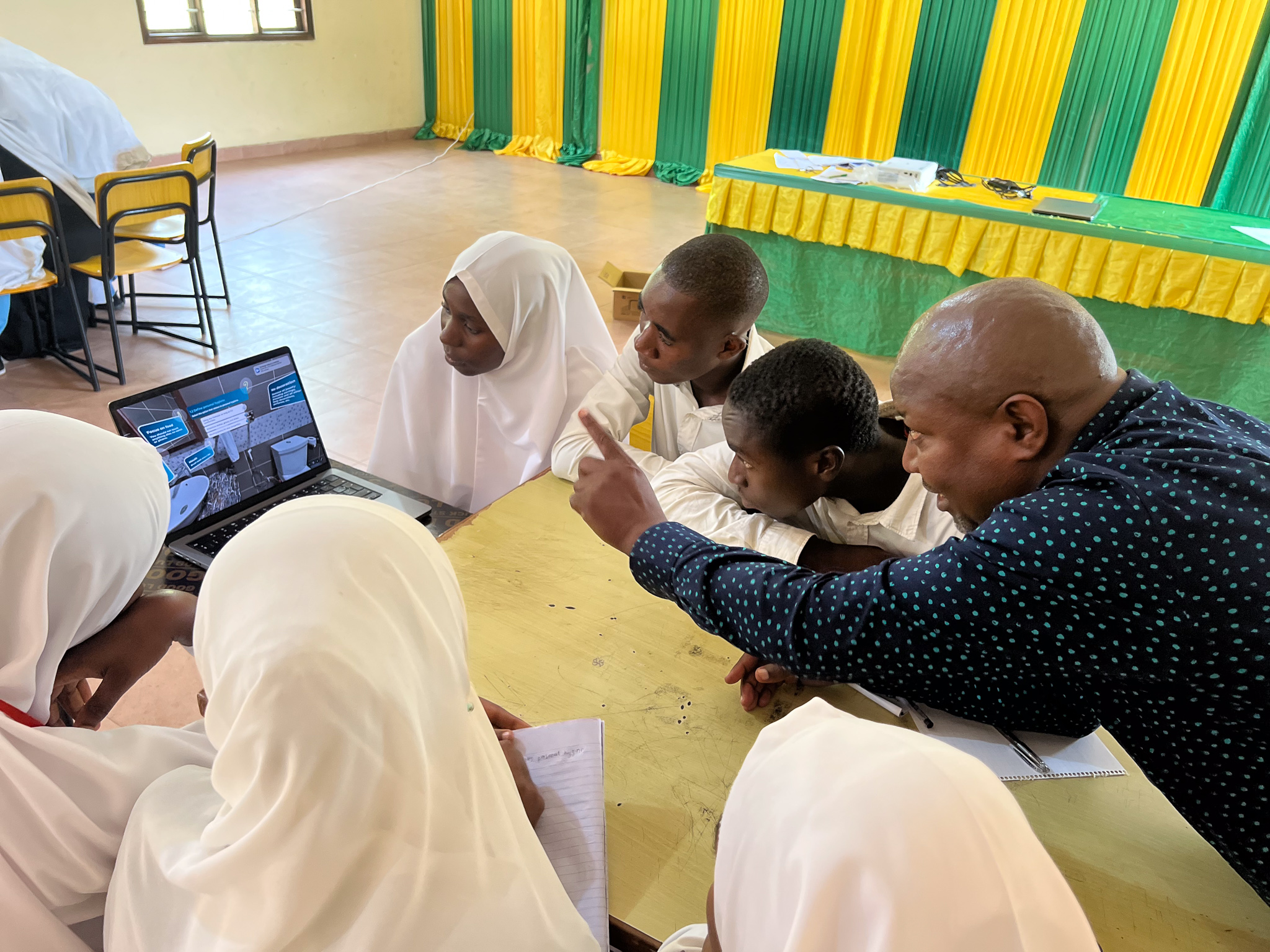
Together with 3DBear, we strengthened teachers’ competence in digital pedagogy. We created the conditions for the pedagogically sustainable use of XR technologies (AR/VR) in vocational education in Tanzania.
3DBear carried out the development work, while we focused on the pedagogical design and piloting of work life-oriented XR learning environments, as well as strengthening teachers’ competences. We had the opportunity to collaborate closely with Tanzanian vocational institutions, employers, teacher training organizations, and Save the Children.
XR solutions supporting vocational education
Our starting point was the systematic identification of skills needs and skills gaps in working life across five different fields of vocational education. The assessment was carried out using qualitative research methods and involved a wide range of representatives from employers, teachers, and students. The results were validated together with local stakeholders. Based on these, the core contents of the XR learning environments were defined.
The design of the learning environments was closely aligned with local curricula to ensure that digital and immersive solutions genuinely support vocational learning and respond to the needs of the world of work.
A digital leap towards lasting change
We identified a clear need to strengthen teachers’ digital pedagogical competence. This was addressed by designing and piloting teacher trainings that combine a pedagogical perspective with the practical use of technology in teaching. The training was delivered both in-person and online. They included hands-on testing of XR learning environments together with students.
To support teachers’ continuous professional development, we created the ‘Passion for VET’ learning platform. It contains materials on vocational pedagogy, digital pedagogy, and teaching development. The platform is available in English and Swahili and remains accessible to teachers also after the project’s completion.
Our impact assessment shows that pedagogically designed XR learning environments have significant potential to improve access to practice-based learning. Specifically in contexts where physical resources and opportunities for hands-on training are limited. Key factors contributing to success included pedagogical support for teachers, a clear connection to the curriculum, and solutions that are both technically and financially lightweight.
We highlighted the technical, institutional, and attitudinal challenges that must be considered when implementing XR technologies sustainably. Clear challenges include infrastructure limitations, such as restricted internet access and the lack of computers and smartphones. Also gaps in teachers’ pedagogical training and limited experience with digital pedagogy. These insights have been used both in product development and in research supporting further development.
Here’s what it’s all about
Piloting AR/VR learning technology in Tanzania in collaboration with STC (XRTanzania) -project was carried out from 2024 to 2026. Häme University of Applied Sciences
collaborated with 3DBear.
XRTanzania received business partnership support from the Ministry for Foreign Affairs’ development cooperation funds.
More information