Strengthening the built environment’s capacity to adapt to climate change in ILMARA project
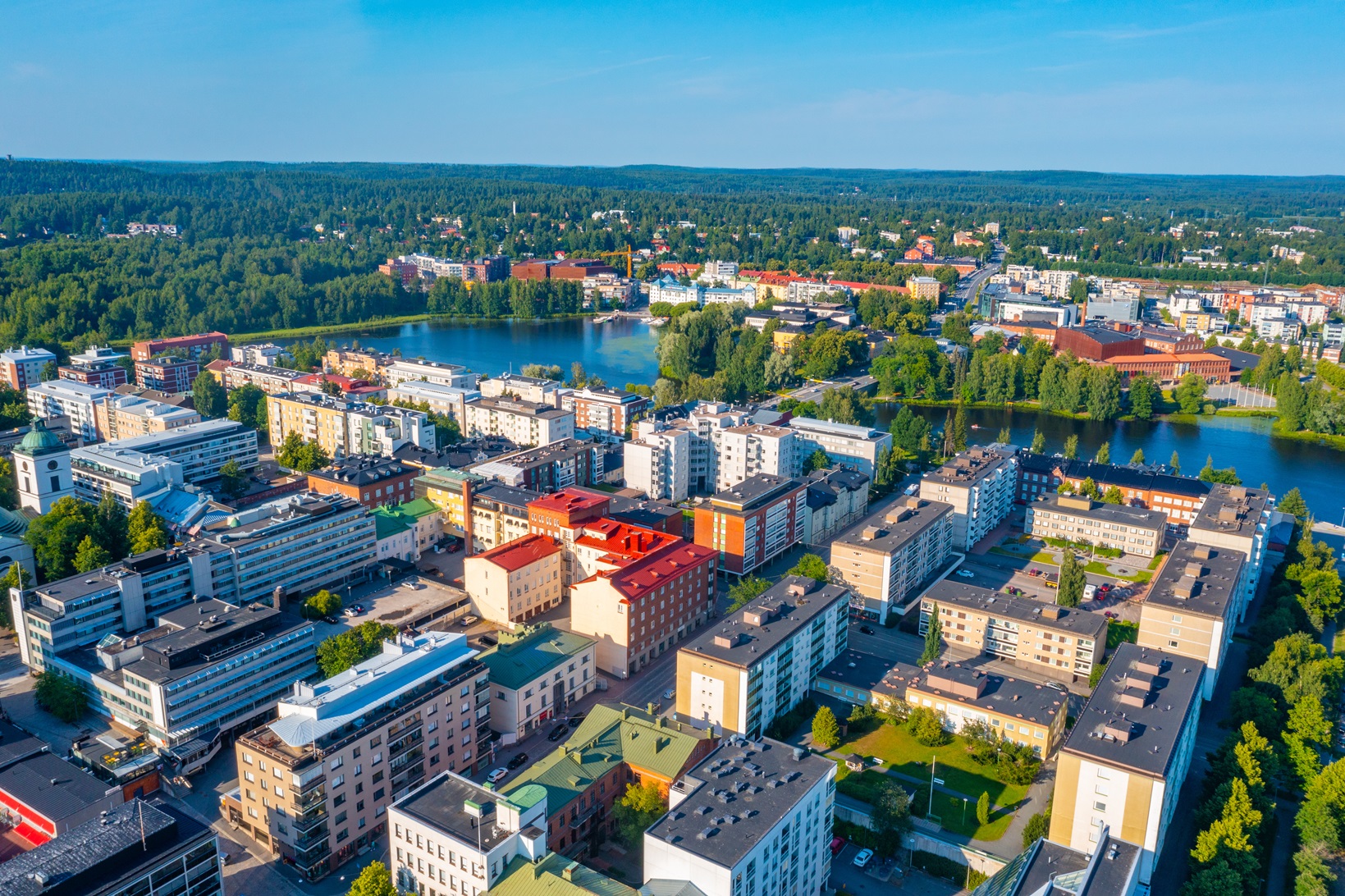
Climate change is increasing the weather-related stress on buildings and posing challenges, for example, to the energy-efficient implementation of heating and cooling. As part of the ILMARA project, we developed preventive measures to address the impacts and risks of climate change in collaboration with the SYKLI Environmental College.
Changes in our climate are increasing the weather-related stress on buildings and building materials and posing challenges, for example, the implementation of energy-efficient heating and cooling. In Adaptation of the Built Environment in Kanta-Häme to Climate Change (ILMARA), a joint project between Häme University of Applied Sciences and the SYKLI Environmental College, we examined the impacts and risks of climate change on the built environment in the Kanta-Häme region and developed preventive measures to address them.
Our main objective was to identify solutions that would strengthen the climate resilience of the built environment in the Häme region, particularly in the area of energy and urban construction. In planning the research work, we took into account previously identified risks to the built environment. The resulting data and proposed measures can be utilized, for example, by municipalities, businesses, and property owners in their own planning and strategy work.
Multidisciplinary work is reflected in the project’s results
The project group included researchers specializing in the long-term durability of materials, the built environment and green spaces, sustainable energy systems and energy efficiency, as well as property management. The expertise of the various research groups made it possible to examine the topic from multiple perspectives. HAMK’s responsibility in the project was research specifically related to energy efficiency and the long-term durability of buildings and materials in a changing climate.
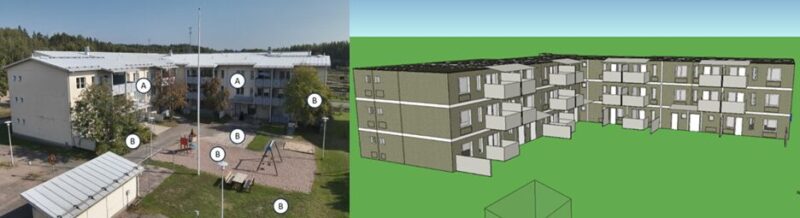
Building-level energy simulations revealed that in the future the heating requirements of buildings will decrease, while cooling requirements will increase. This has a direct impact on, for example, the demand for district heating. Based on these findings, we presented concrete measures for adapting energy systems and buildings to these changes. We studied the durability of low-carbon building materials by subjecting them to various weathering tests, used a thermal camera to map local thermal conditions in the urban environment, and studied surface water flow using laser scanning. The measurements showed that the urban heat island effect is strongest in areas with many impervious surfaces, such as asphalt. Based on these results, we developed proposals for improving the local microclimate and for stormwater management planning.
The project fostered new collaborations between companies and research organizations, and the dialogue with companies helped to align the research with the practical needs.
The joint project between Häme University of Applied Sciences and the SYKLI Environmental College ‘Adaptation of the Built Environment in Kanta-Häme to Climate Change (ILMARA)’ was carried out from 1.4.2023-31.12.2025. It received co-funding from the European Union.
The materials produced during the project are available on its website.
More info: