We strengthened the expertise in supporting autistic people as they age
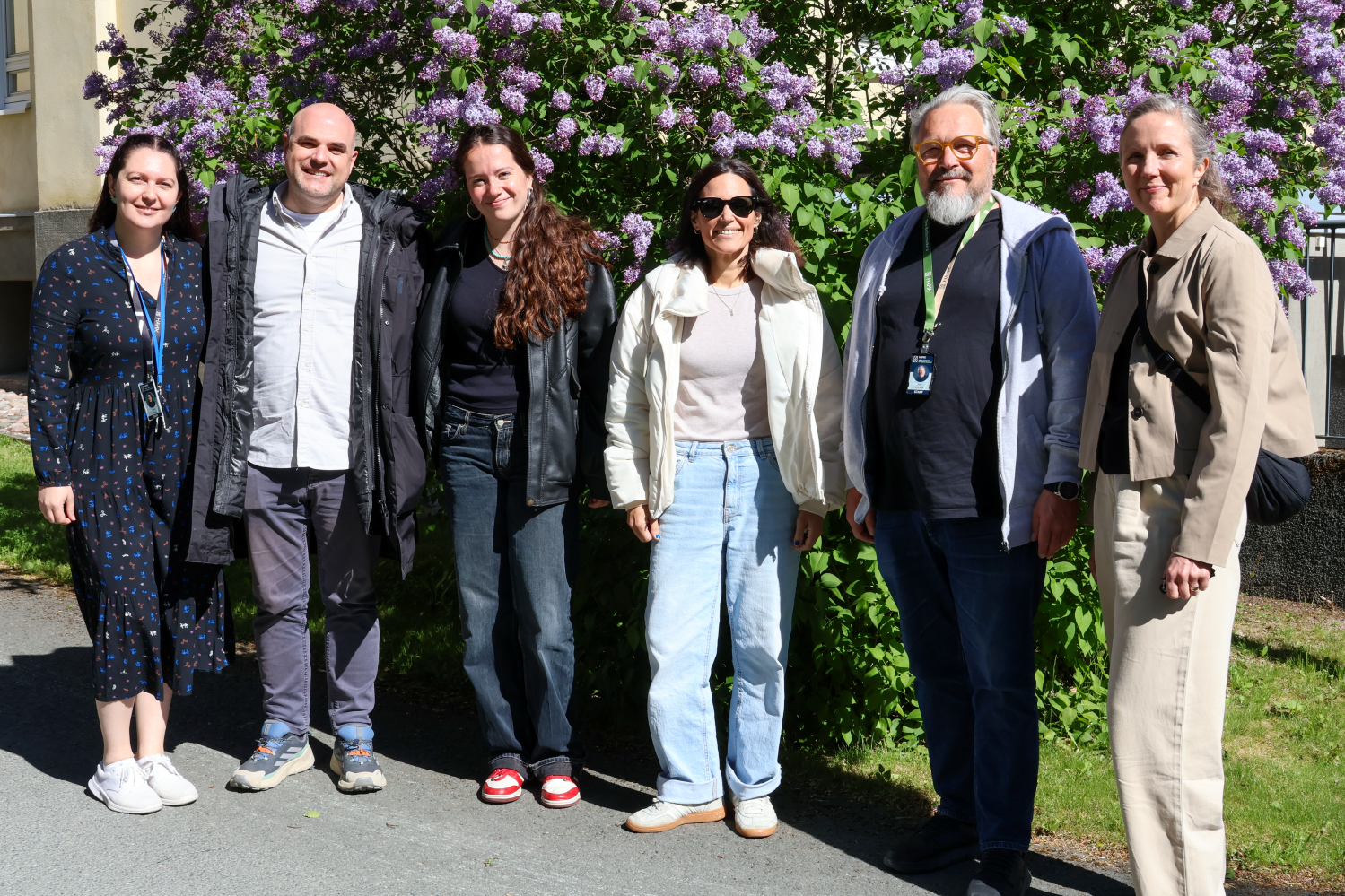
We brought together research knowledge, professional expertise, and the perspectives of autistic people and their families. We developed a professional competency profile and training programme to help professionals respond more effectively to the changing needs of autistic people as they age.
There is still considerably less research and professional training available on ageing among autistic people and the related support needs than on autism in childhood and adolescence. We addressed this gap by combining research evidence, good practices, the experiences of different target groups, and professional expertise. The project’s key themes included health and well-being, inclusion, autonomy, individualised support, and quality of life.
From research to professional competencies
During the first phase, we reviewed research on ageing among autistic people and identified 12 good practices from across Europe. The review highlighted needs related to areas such as physical and mental health, access to healthcare services, social relationships, housing, employment, independent living, and support for quality of life.
The development work also sought to hear directly from those affected by these issues in practice. A total of 128 survey responses were collected in Portugal, Spain, and Finland from autistic people, family members and other close persons, and professionals. In addition, 24 experts from the three partner countries participated in evaluating the professional competency profile and training content. As a result, 17 areas of professional competence were defined, covering the knowledge, skills, attitudes, and values needed to support autistic people as they age. The approach is based on individualised and rights-based support that respects each person’s wishes and choices while promoting autonomy, dignity, and quality of life
A shared training programme for professionals
Based on the research, surveys, and expert input, we developed an online training programme consisting of four modules. HAMK coordinated the design, piloting, and validation of the training and contributed particularly to content related to assessment and person-centred support planning. HAMK also created the Finnish-language Moodle version of the training and carried out the Finnish pilot.
The training was piloted in all three partner countries with a total of 49 participants. Feedback was very positive and it helped identify areas for further development. These included greater interactivity and accessibility, more practical examples, and a stronger balance between theory and practice. The training enables professionals to take a holistic approach to ageing. The focus is not only on changes in health but also on personal agency, quality of life, everyday environments, mental health, support networks, and cooperation between different services.
Results will remain available to everyone
Our will continue beyond the end of the project period. The research and good practice review, professional competency profile, training plan, and training materials developed form a comprehensive resource. It can be used and further developed for professional education and training in different contexts.
At HAMK, the Finnish-language materials and Moodle environment can be used in the future, for example, in teacher and special needs teacher education, social services and healthcare education, and continuing education. Fundación Miradas plans to use the training, competency framework, and practical materials developed in the project in future training and awareness-raising activities aimed at professionals, families, and organisations.
One of the most important findings is that preparing for ageing among autistic people needs to begin early. Ageing is not only a question of health. It is also closely connected with housing, relationships, inclusion, self-determination, meaningful everyday life, and individually changing support needs. At the same time, professionals need the competencies to recognise these changes and plan support together with the individual and their family or other people close to them. Our collaboration resulted in concrete tools to support this work as well as a shared foundation on which future training and cooperation can be built.
Ageing-Autism in a nutshell
- Partners: FPDA (Portugal, coordinator), Fundación Miradas (Spain), and Häme University of Applied Sciences (HAMK), Finland.
- Funder: Erasmus+ programme, Small-scale Partnership in Vocational Education and Training (KA210-VET).
- Project duration: 1 October 2024–30 September 2026.
- Funding: EUR 60,000.
- Project reference: 2024-1-PT01-KA210-VET-000253342.
Lisätietoja: