


Research and Development Projects
Our applied research improves sustainability, the well-being of nature and humans and innovative solutions.

KivaTek – Circular economy-enabling tecnologies
In KivaTek – Circular economy-enabling tecnologies project we are looking for new ways and opportunities to harness the potential benefits of robotisation and automation to boost the circular economy.
PUNURMIO – Development of automatic methods for grass biomass estimation, monitoring and prediction
We are developing a method in our national EIP project that allows farmers to automatically assess and predict grass biomass growth using their phone's camera and local data. The goal is to improve grass yield, reduce the carbon footprint of agricultural products, and support climate-smart milk and meat production.

BRAVE
Supporting Ukraine's efforts to mainstream inclusive education at all levels of education in the country.

WaterShed Safety Plan for Controlling Diffuse Pollution (WSSP)
Developing an operational model to reduce pollution of the Baltic Sea

Digital CityCarbon 2.0 Kanta-Häme
In the Digital Urban Carbon 2.0 dual project, we explore what new and complementary data, as well as methodological recommendations, can be produced to support cities' low-carbon efforts, specifically regarding the carbon sinks in built natural environments.

Accelerating Growth Through Plant-Based Food Innovations (Kasvis-TKI)
The project aims to expand the variety of plant-based products by providing comprehensive information and recipes throughout the entire supply chain, while forming new collaborative networks.

Climate-resilient Suburban Areas (ILPI)
The reduction in plot sizes, maximization of floor area, and the increase in driveways and parking spaces have significantly decreased vegetation. The Climate-Resilient Suburban Areas (ILPI) project aims to identify threshold values for densification that allow suburban vegetation cover to be preserved.

Green walls in densifying urban form
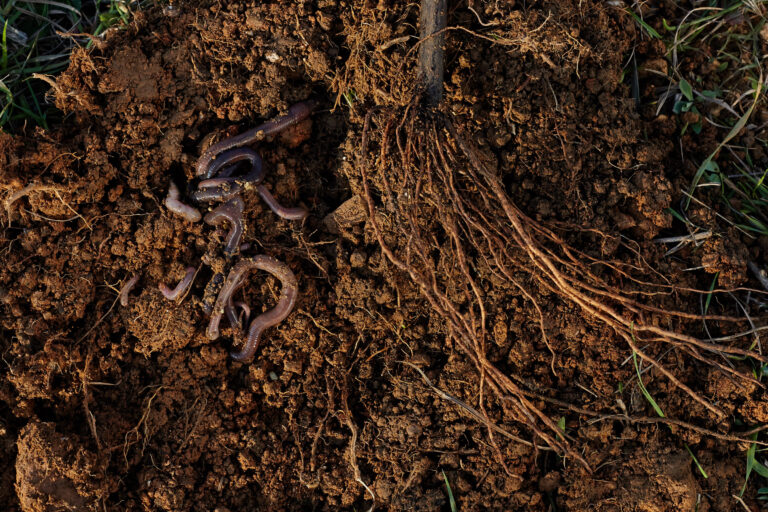
Enhancement of Soil Carbon Sequestration Through Agricultural Practices: Implications for Soil Biodiversity (HilletBio)
The project investigates how tillage practices affect soil microbes and soil fauna, as well as their diversity and activity. The research also explores changes in the relationships between harmful and beneficial microbes and soil fauna, and the impact of these changes on the soil's aggregate and pore structure.

Zambia 21st Century Forestry Education
Zambia 21st Century Forestry Education-project seeks to develop 21st century skills through working life relevant forestry curricula planning and implementation processes in higher education in Zambia.
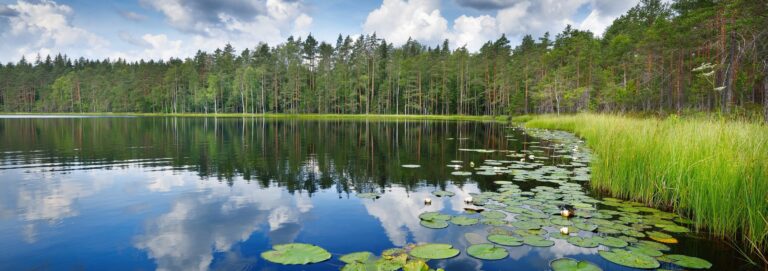
Accelerating Climate-Friendly Waterway Investments
In the project "Vauhtia ilmastomyönteisiin vesistöinvestointeihin (VIIVI)", we aim to improve water well-being in Kanta-Häme, prevent nutrient runoff, adapt to climate change, and safeguard biodiversity.
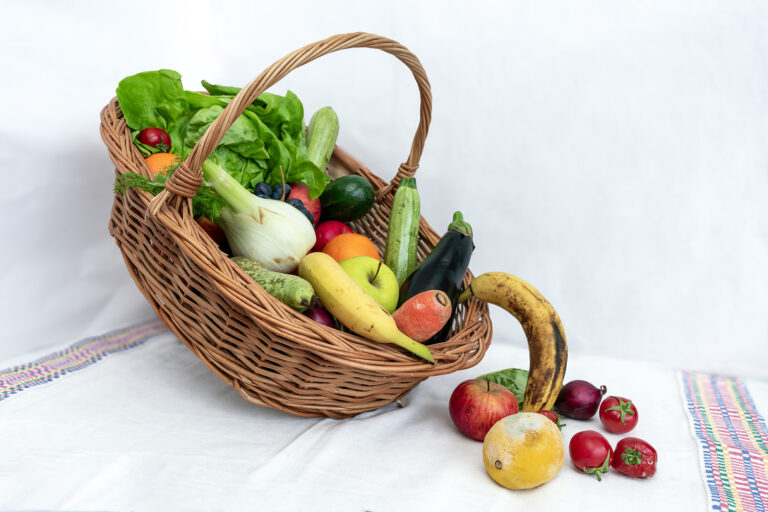
Cutting Food Loss and Waste in Europe (CIBUS)
CIBUS aims to reduce food loss and waste by increasing regions’ capacity to develop innovative regional policies. Local and regional authorities have an important role in creating a policy environment that stimulates prevention and reduction of food loss and waste.