

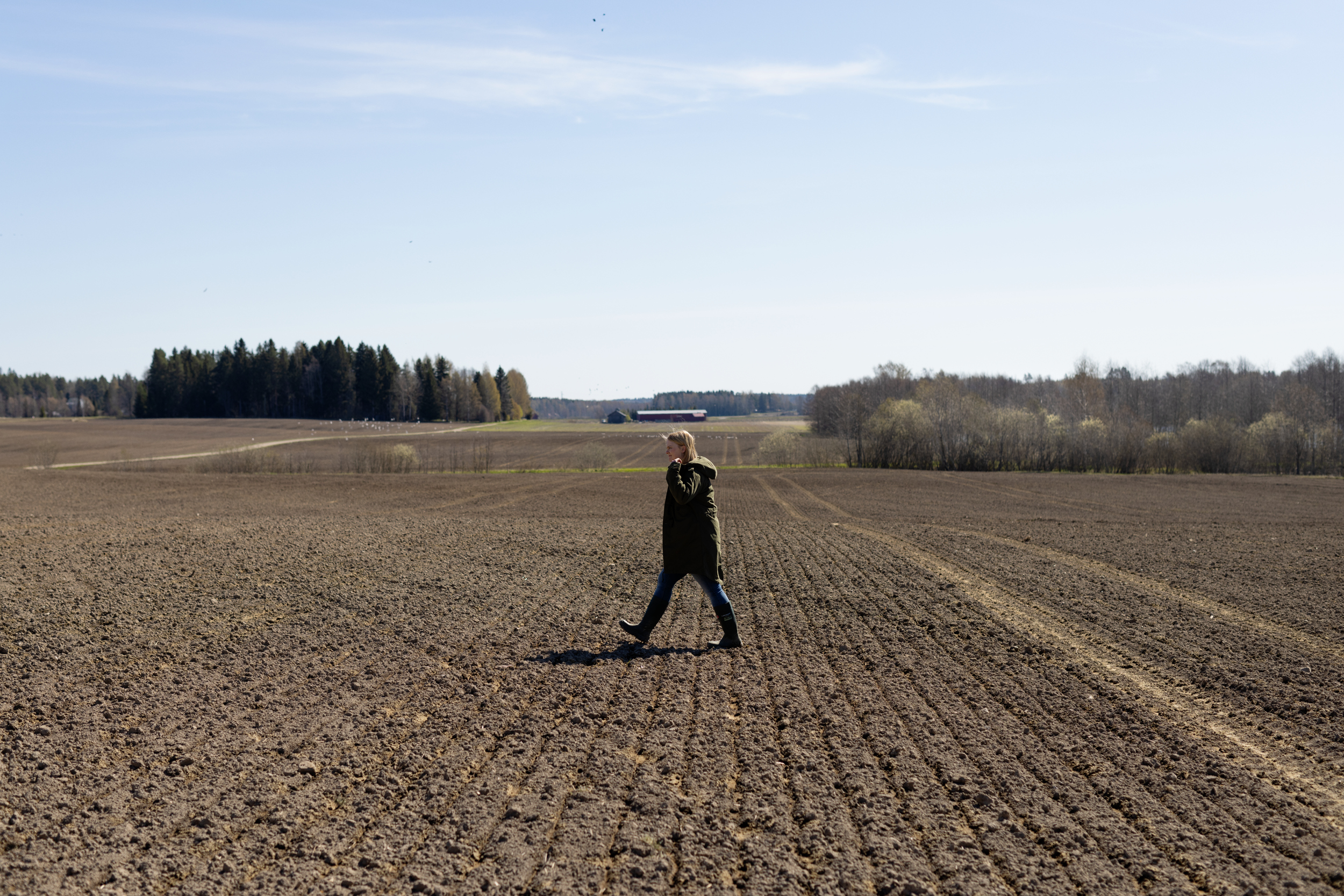
Sustainable Production from Healthy Soil
Research-based solutions for soil-supported and soil-provided ecosystem services
We study the biological processes of soil and their connection to soil structure as well as carbon and nutrient cycling. In addition, we develop digital solutions that help assess the impacts of different measures on soil health, carbon sequestration, and the conservation of biodiversity. Together with our partners, we aim to be at the forefront of improving soil biodiversity and soil health across different land-use types.
Practical solutions for land-use stakeholders
We develop solutions based on applied research that help actors in the land-use sector harness soil-provided ecosystem services as part of sustainable and responsible bioeconomy value chains. We support companies’ product development and provide data-driven solutions for assessing and managing the climate impacts of land use in agriculture and forestry.
Our solutions support:
- nutrient recycling
- carbon sequestration
- soil health
- optimization of operations from the perspectives of the environment and productivity.
We aim to be at the forefront of applied research by developing tools that enable different land-use systems and the food value chain to transition toward more sustainable and efficient operating models.
Supporting the transition toward more sustainable primary production
Due to increasing production demands and tightening emission reduction targets, sector actors need new kinds of tools to improve soil health as well as achieve more sustainable and just production chains. For example, milk and grain production are moving toward climate smart solutions, and this transition is reflected throughout the entire value chain. Similarly, understanding the mechanisms affecting forest carbon sequestration and developing forest management practices that strengthen resilience are key issues affecting our society as a whole.
Leveraging data and digitalization
Digitalization and the use of data play a key role in researching soil processes and the carbon cycle. We develop measurement systems and digital platforms that enable monitoring of soil status, carbon sequestration, and the environmental impacts of cultivation. This information can be used in decision-making, planning, improving resource efficiency, and developing new business. We are involved, for example, in building the Field Observatory, which provides real-time measurement data on changes in soil processes.
We work in close collaboration
Our research brings together experts from different fields, and long-term cooperation with industry, research institutes, universities, and companies operating across the bioeconomy value chain is an essential part of our work. This ensures that the solutions we develop are practical and scalable. Our corporate partners are involved in developing digital interfaces and methods that help land-use sector actors transition toward more climate-friendly practices.
Our research groups
Soil processes for sustainable industry focus area consists of two research groups that collaborate closely and support each other.
Our research group specializes in processing, analyzing, and utilizing data collected from bioeconomy-related processes. Our goal is to develop methods that help transform data into actionable insights to enhance production efficiency and promote positive climate and environmental impacts. We work particularly within the domain of climate-smart agriculture and forestry. In primary production, we apply data-driven and digital solutions in various monitoring and analysis applications. Recently, we have emphasized the role of digitalization in supporting decision-making and planning in primary production.
Our team brings together diverse expertise, including data collection methods, sensor technologies, data processing and analytics, as well as application and interface development. For several years, we have been developing the Field Observatory Service, a real-time tool for monitoring and analyzing carbon sequestration in cultivated fields. We have also contributed to multiple projects aimed at building mobile applications that support climate-smart farming practices for farmers. All our research activities are grounded in close collaboration with research institutes, companies, and international partners. Our projects also highlight co-creation with stakeholders in primary production, such as agricultural entrepreneurs.
The focus of our research group is to preserve and enhance soil processes maintained by soil microbes and soil animals across different land uses (fields, forests, and built environments). We produce scientific, experimentally validated information on the effects of various disturbances and interventions on soil functions and biodiversity. Our research is closely linked to the sustainable use and recycling of nutrients, soil carbon sequestration, and processes that support soil health.
Our group combines diverse expertise, including soil ecology, environmental microbiology, the roles of soil microorganisms in nutrient and carbon cycling, agroecology, and in situ soil measurements. We frequently conduct and publish research results together with industry and research partners. In addition, we support soil-related development in companies within the field. Collaboration is carried out with primary producers and other companies in land use sector. These companies can affect in soil health, which directly impacts productivity, environmental carrying capacity, and achieved business benefits. We work closely with the ” Digital solutions in bioeconomy” research group as well as with education and with other research groups within the SmartBio ecosystem.

Our projects
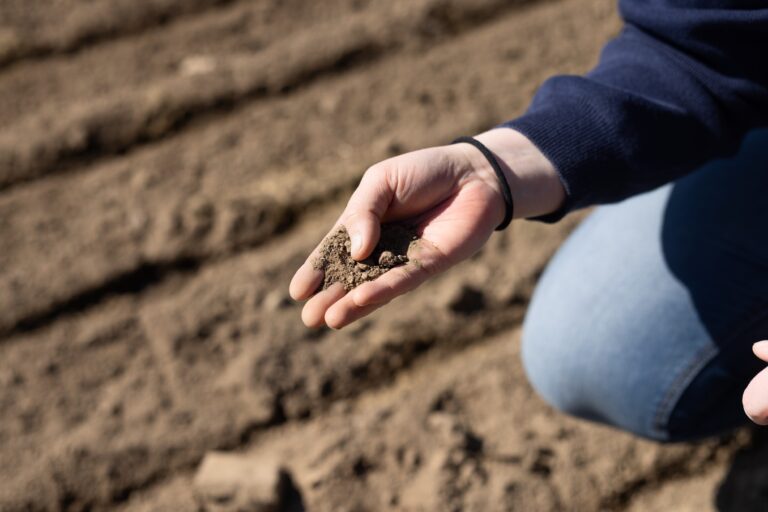
CAgriLab – Consolidated virtual living lab platform for knowledge sharing and adaption in regenerative agriculture
We are establishing a consolidated virtual living lab platform in an international project to enhance knowledge exchange in agriculture. This will support collaboration and data sharing, helping farmers adopt and adapt regenerative practices to improve soil health and promote sustainable agriculture.
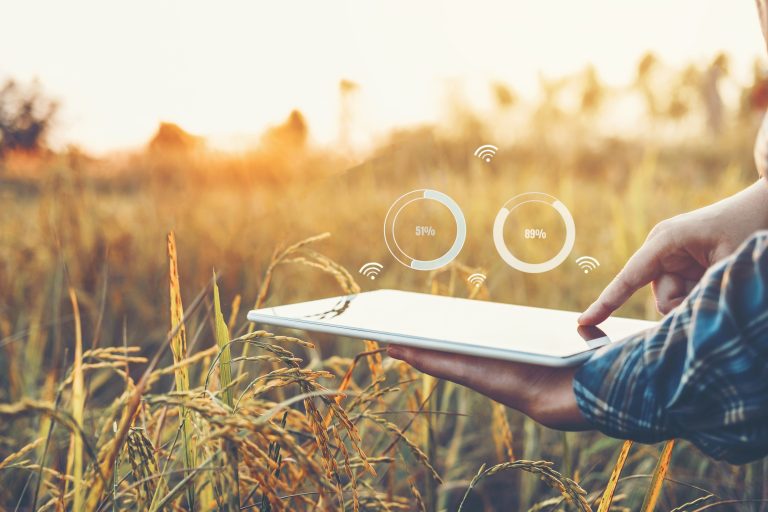
Digi4CSA – Digital Solutions to Foster Climate-smart Agricultural Transition
In the Digi4CSA project, funded by the Research Council of Finland, the goal is to build a digital solution for assessing and monitoring the environmental and economic impacts of climate-smart agriculture (CSA). The solution aids stakeholders in decision-making and tracking the results of CSA.
Digital CityCarbon 2.0 Kanta-Häme
In the Digital Urban Carbon 2.0 dual project, we explore what new and complementary data, as well as methodological recommendations, can be produced to support cities’ low-carbon efforts, specifically regarding the carbon sinks in built natural environments.
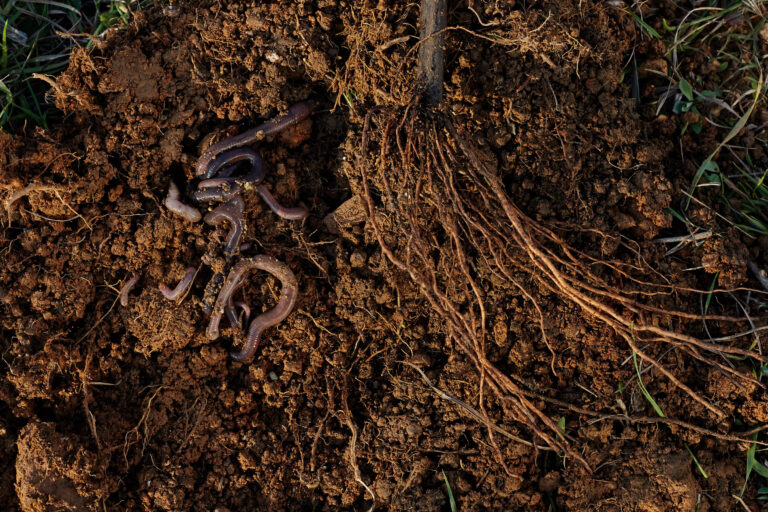
Enhancement of Soil Carbon Sequestration Through Agricultural Practices: Implications for Soil Biodiversity (HilletBio)
The project investigates how tillage practices affect soil microbes and soil fauna, as well as their diversity and activity. The research also explores changes in the relationships between harmful and beneficial microbes and soil fauna, and the impact of these changes on the soil’s aggregate and pore structure.

FUN-C
The goal of the project is to generate more knowledge and methods to predict how soil fungal communities and their chemical structure influence the amount of microbial carbon in forest soils and the accumulation of organic matter in forest ecosystems.
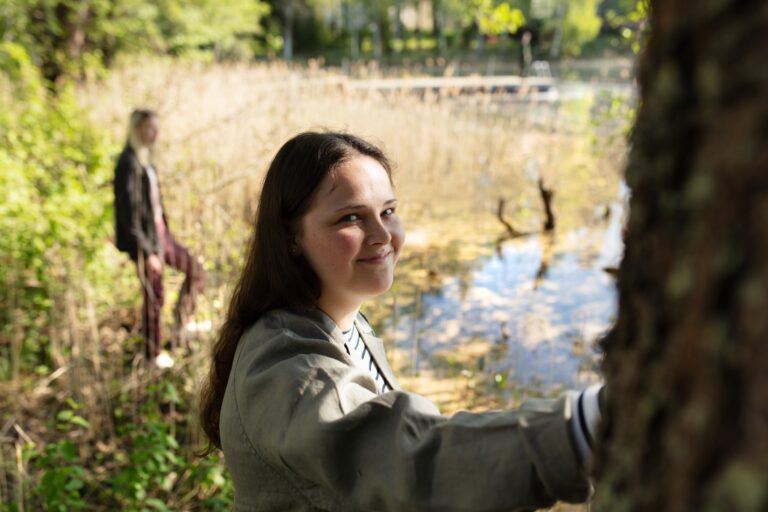
Microbial Activity on Commercial Growth Platforms (KAKAMI)
The project examines how different commercialized growth substrates affect microbial communities and their ecosystem services. It combines knowledge of soil ecology with the study of practical challenges in horticulture and green construction, highlighting the significance of the habitats provided by commercialized, clean growth substrates for microbes and other small organisms.
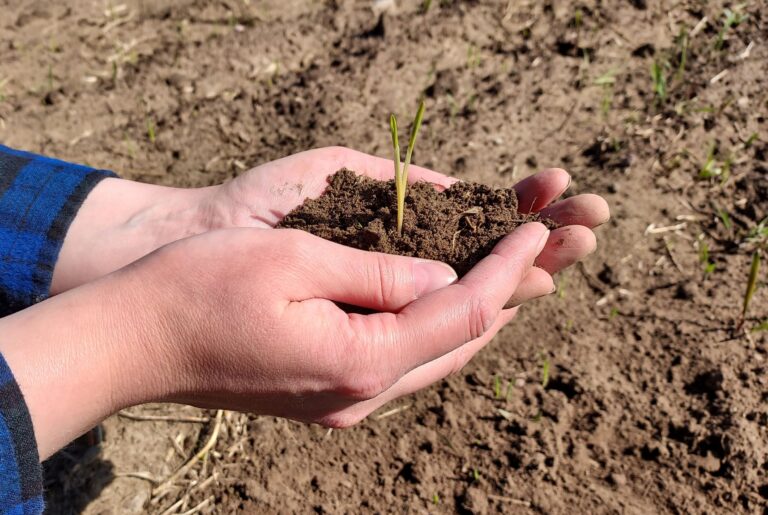
MOTIIVI – Mobile Measurement Device for Soil Compaction
We are developing, in a nationwide project, a portable measurement device for determining soil compaction and moisture in agricultural fields. The device saves results with location data into a mobile interface, enabling the creation of plot-specific thematic maps. The aim is to mitigate the growing issue of soil compaction in arable land.

Pathways of fungal necromass in the soil as affected by continuous-cover forestry and rotation forest management
Our aim is to assess forest management effects on the soil fungal community and infer implications for soil carbon storage and quality.
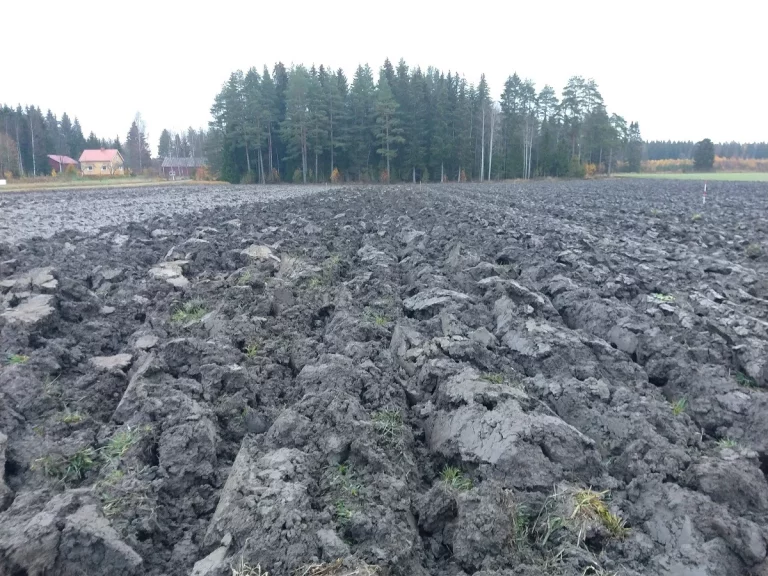
Processes in Agricultural Soil as a Basis for Focused Carbon Sequestration (Hiiletin)
The project supports the 2035 carbon neutrality goal by generating knowledge about methods that take soil properties into account to increase organic matter—and thereby carbon—in the soil, as well as to reduce carbon loss from the soil.

PUNURMIO – Development of automatic methods for grass biomass estimation, monitoring and prediction
We are developing a method in our national EIP project that allows farmers to automatically assess and predict grass biomass growth using their phone’s camera and local data. The goal is to improve grass yield, reduce the carbon footprint of agricultural products, and support climate-smart milk and meat production.
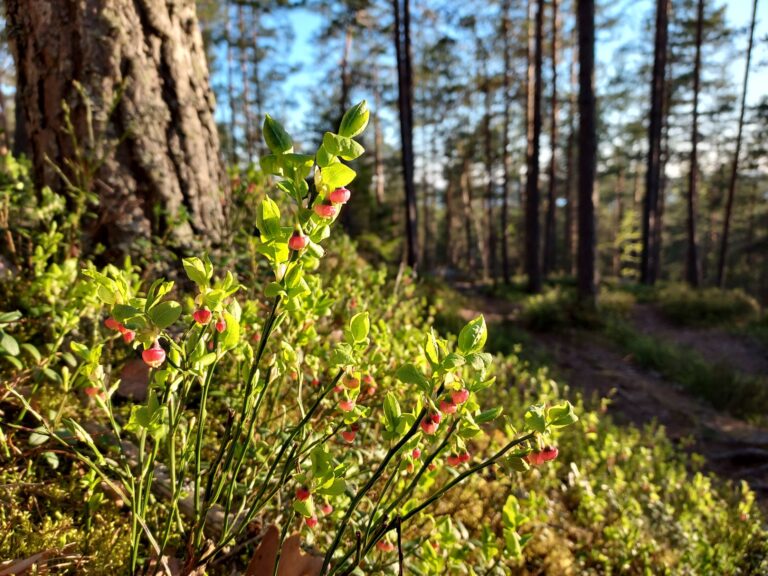
Regional Network of Natural Ecosystem Observations (RENNEO)
In this project funded by the Research Council of Finland, we are building and developing research infrastructure to strengthen regional R&D activities in Kanta-Häme. Our aim is to gain a better understanding of carbon sequestration in forest ecosystems and to provide broader measurement data to support carbon calculations. The activities will especially benefit researchers and…
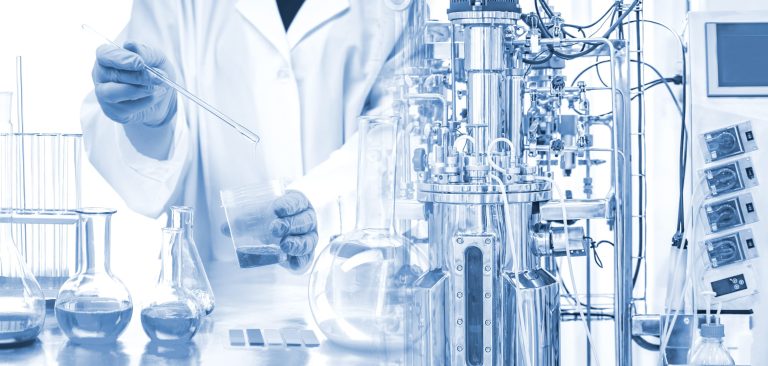
Smart Food Security – FoodSec
The project integrates knowledge of synthetic biology and cell-based agriculture methods to promote future food security. Cross-cutting themes in the project include digitized measurements and the analysis of measurement data collected from processes related to sustainable food security.
Contact us