Strengthening Foundational Skills: Belize Education Experts’ Visit to Finland for Advancing Accelerated Learning
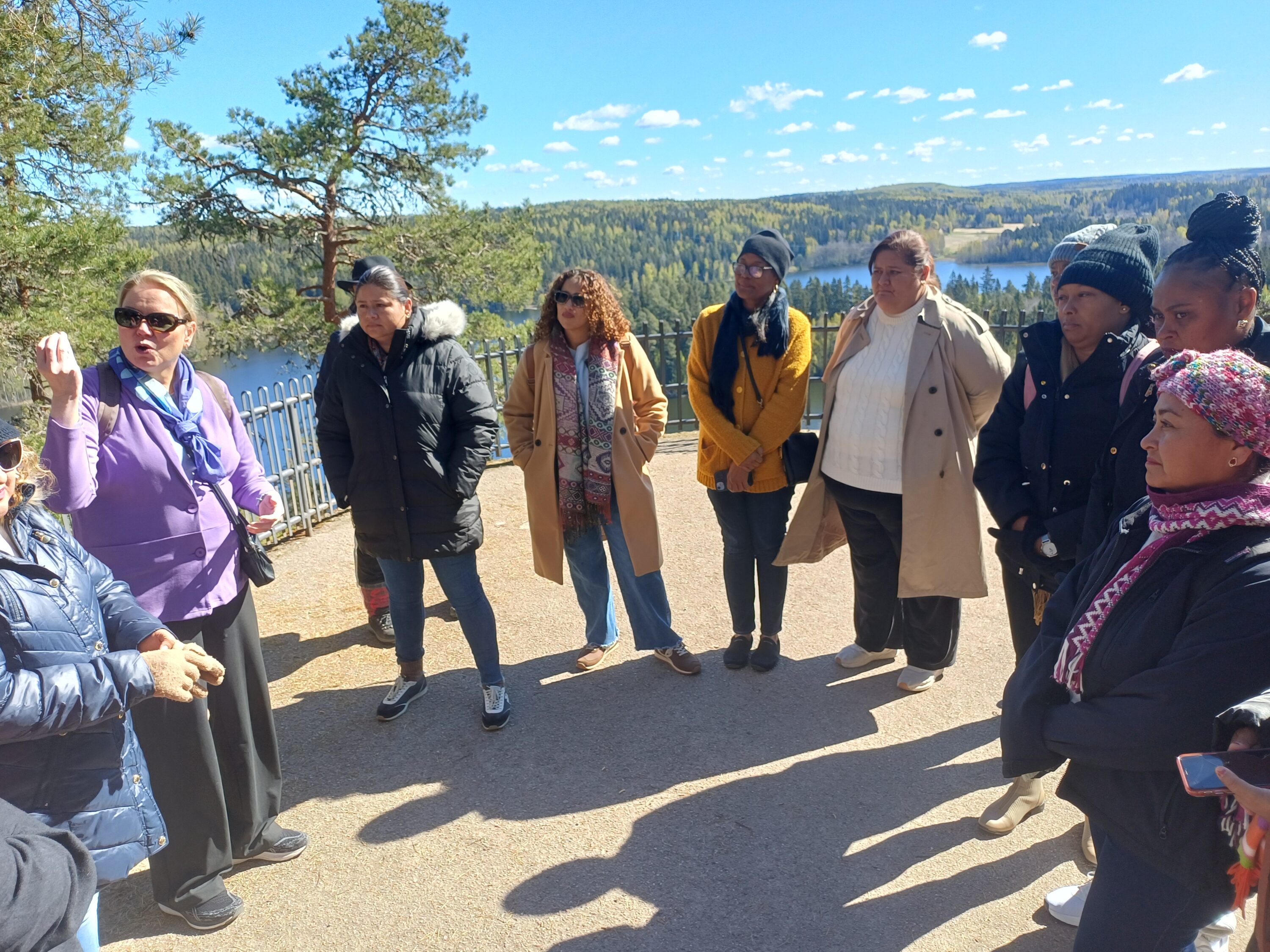
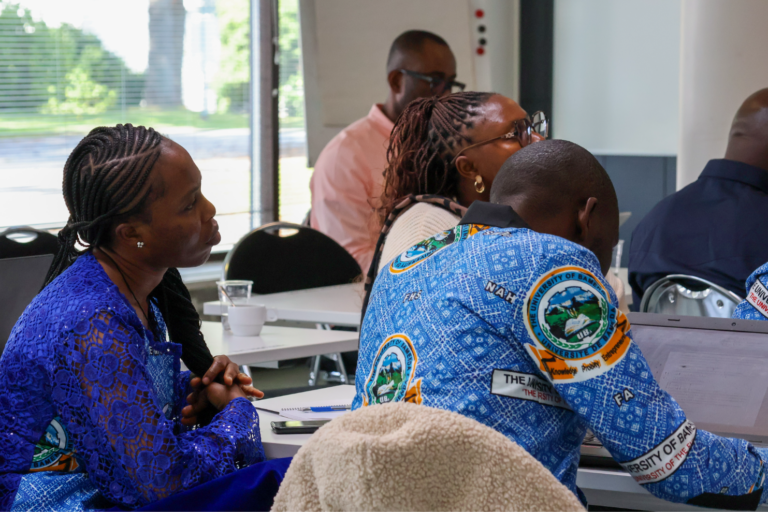
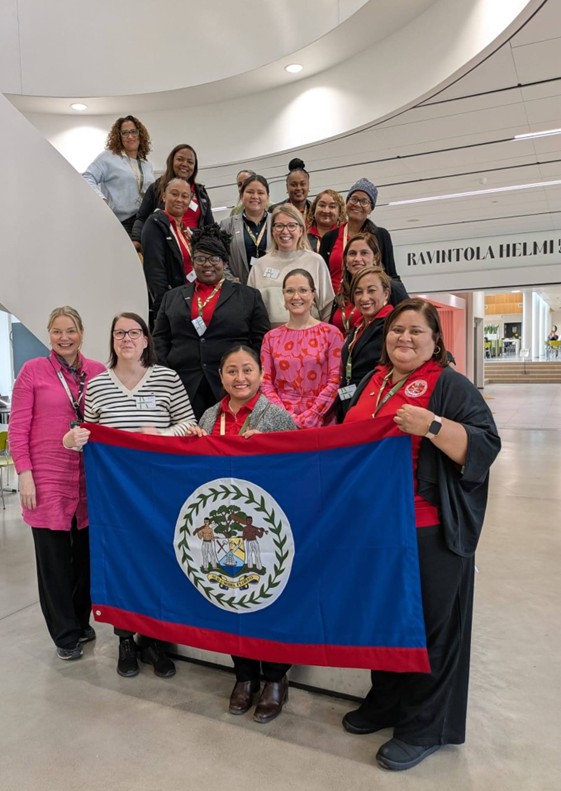
Häme University of Applied Sciences (HAMK) hosted a delegation of ten lead primary school teachers from Belize for a two-week professional study visit in May 2026. The delegation, nominated by the Ministry of Education, Culture, Science and Technology (MoECST) of Belize, was accompanied by ministry representatives and participated in an intensive programme designed to support teacher professional development.

The study visit was organised as part of the project “Design and Implementation of Teacher Professional Development and Students’ Extracurricular Programs for Accelerated Learning in Foundational Skills,” funded by the Inter-American Development Bank and delivered by a consortium consisting of HAMK and Jamk University of Applied Sciences (JAMK) in close collaboration with the MoECST. HAMK serves as the lead consultant for the project.
More than 500 primary school teachers across Belize
Launched in early 2026, the project aims to support the MoECST in strengthening primary-level teachers’ competences in implementing an accelerated learning approach to strengthen the foundational skills of Belizean Students. Working alongside Finnish experts from HAMK and JAMK, the ten lead primary school teachers will take on key roles as local facilitators throughout the project. They will coach and mentor more than 500 primary school teachers across Belize, helping to build capacity with sustainable impact.
The study visit began with a bilateral exchange of perspectives on the Belizean and Finnish education systems. The delegation highlighted Belize’s dynamic and multicultural context, emphasising the country’s ongoing efforts to modernise its education system and respond effectively to diverse learner needs. As the group noted, “Belize is a small but dynamic country that is actively transforming its education system to meet the demands of a modern, global society.”
Exposure to practical teaching methods and inclusive learning environments
During their stay in Hämeenlinna, participants engaged in collaborative learning sessions focused on themes such as inclusive paedagogy, differentiated instruction, and student-centred teaching approaches. In addition, the delegation visited local pre-primary and primary schools to interact with Finnish educators and observe classroom practices firsthand.
Participants expressed strong appreciation for the opportunity to explore how Finnish schools foster supportive learning environments, implement student-centred approaches, and address diverse learners’ needs in practice. The exposure to practical teaching methods and inclusive learning environments has provided valuable insights applicable to the Belizean context.
Experiencing firsthand how Finland implements inclusive, student-centred learning has provided us with practical strategies and valuable insights that can help strengthen teaching practices and improve learning outcomes for all students in Belize.
Ms Christy Jean Almeida, MoECST
Ms Christy Jean Almeida, one of the delegates from the MoECST, noted: “This study visit has been both inspiring and transformative. Experiencing firsthand how Finland implements inclusive, student-centred learning has provided us with practical strategies and valuable insights that can help strengthen teaching practices and improve learning outcomes for all students in Belize.”
This partnership benefits both sides and reinforces our shared commitment to high-quality, inclusive, and sustainable development in education.
Maaret Viskari, HAMK
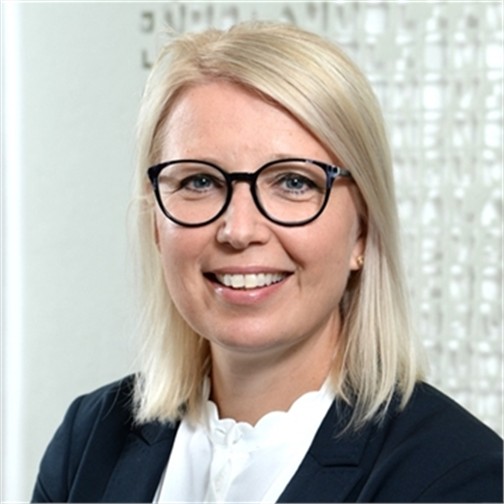
Ms Maaret Viskari, Director of HAMK Global, emphasised the importance of international collaboration: “We are delighted to collaborate with our partners in Belize and support their important education reform efforts. This partnership benefits both sides and reinforces our shared commitment to high-quality, inclusive, and sustainable development in education.”
This study visit marks an important step in strengthening collaboration between Finland and Belize in the field of teacher professional development. By combining international expertise with locally grounded implementation, the project strives to deliver long-term impact on teaching quality and student achievement. The knowledge, practices, and professional networks developed during the visit will directly contribute to the successful implementation of accelerated learning programmes in Belize.
Ultimately, this initiative supports the country’s broader goal of building an inclusive, innovative, and future-oriented education system that ensures all learners have the opportunity to succeed.
For more information: