We developed and tested a virtual onboarding model for the logistics sector




The logistics sector needs faster and safer onboarding solutions. The VIVA – Virtual Warehouse as Learning Environment (ESF+) project has resulted in a generic Virtual Warehouse application that allows companies and educational institutions to explore the potential of XR solutions with a low threshold and to build their capabilities in using virtual onboarding.
Labour shortages, high employee turnover and onboarding challenges have long burdened companies in the logistics and warehousing sector. The goal of the VIVA – Virtual Warehouse as Learning Environment (ESF+) project was to respond to the growing need for skilled workers by developing new onboarding solutions based on virtual technology and digital twins, which are digital replicas of physical environments. The project also aimed to strengthen the digital skills of companies and educational institutions, support warehouse training, improve labor availability, and promote the integration of people with migrant backgrounds.
The Virtual Warehouse application was built in collaboration
More than 40 companies and several educational institutions participated actively in the project. The initial workshops, organized together with companies, educational institutions and other logistics sector actors, highlighted key pain points in onboarding and helped define the content areas where virtual learning could bring the greatest benefit. The shared message was clear: onboarding should be faster, more accessible and, above all, safer. Based on these needs, the Virtual Warehouse application was created using game‑engine technology for Meta Quest 3 VR headsets. It is a generic learning environment where users practice tasks covering warehouse cleanliness, safety, identifying packing errors and order picking. These tasks demonstrate well the types of general, site‑independent activities that can be taught virtually. The application is available in 16 languages, enabling a consistent onboarding experience in multilingual environments. Its generic nature allows companies to experiment with virtual onboarding with minimal effort and assess whether similar solutions could work for them.
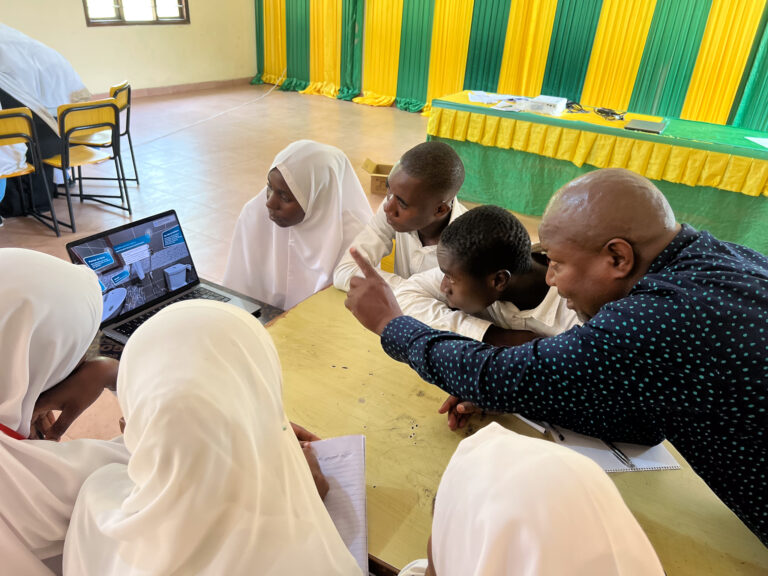
The application was extensively piloted in companies and educational institutions, and the feedback showed that VR onboarding is a clear, illustrative and safe way to learn the basic principles of warehouse work. Participants described the tasks as clear, effective and easy to understand. They were considered innovative and engaging, and many highlighted that the activities suited users of different age groups—even those over 50 found the experience enjoyable and motivating. The guidance provided within the application was also praised, as it made the system easy to use even for those without prior experience with VR technology.
XR skills were strengthened
The project’s workshops, seminars and pilot sessions deepened understanding of companies, educational institutions and participants alike regarding the practical use and limitations of virtual technologies, offering a realistic picture of the current state of XR/VR beyond marketing promises. XR technology was seen to provide clear and concrete benefits particularly in onboarding, safety training and education, and having the opportunity to try the technology firsthand was considered especially valuable. The project increased understanding of how virtual environments can be used in teaching and onboarding, and what possibilities they may open up in the future. It can therefore be concluded that the project strengthened the digital skills of companies and educational institutions and increased interest in broader use of virtual training solutions. Several stakeholders identified clear opportunities for developing their own tailored solutions.
The Virtual Warehouse application is available on the project website and will be available later for download from the Meta Store. Virtual onboarding offers logistics companies, educational institutions and other sector actors a viable option for training, particularly when practising the basic principles of warehouse work in a safe environment. It can also provide a standardised and fast onboarding process, reduce the risk of errors and improve occupational safety practices—without the need for expensive or time‑consuming physical training.
The VIVA -Virtual Warehouse as Learning Environment (ESF+) was co‑funded by the European Union and implemented by the HAMK Tech research unit in cooperation with LIMOWA ry during 1.9.2023 – 28.2.2026. During the project, the Virtual Warehouse application was developed to enable companies, educational institutions and other stakeholders to assess and verify the suitability and benefits of virtual onboarding for training and orientation purposes.
More information