Hybrid construction solutions promote low-carbon construction
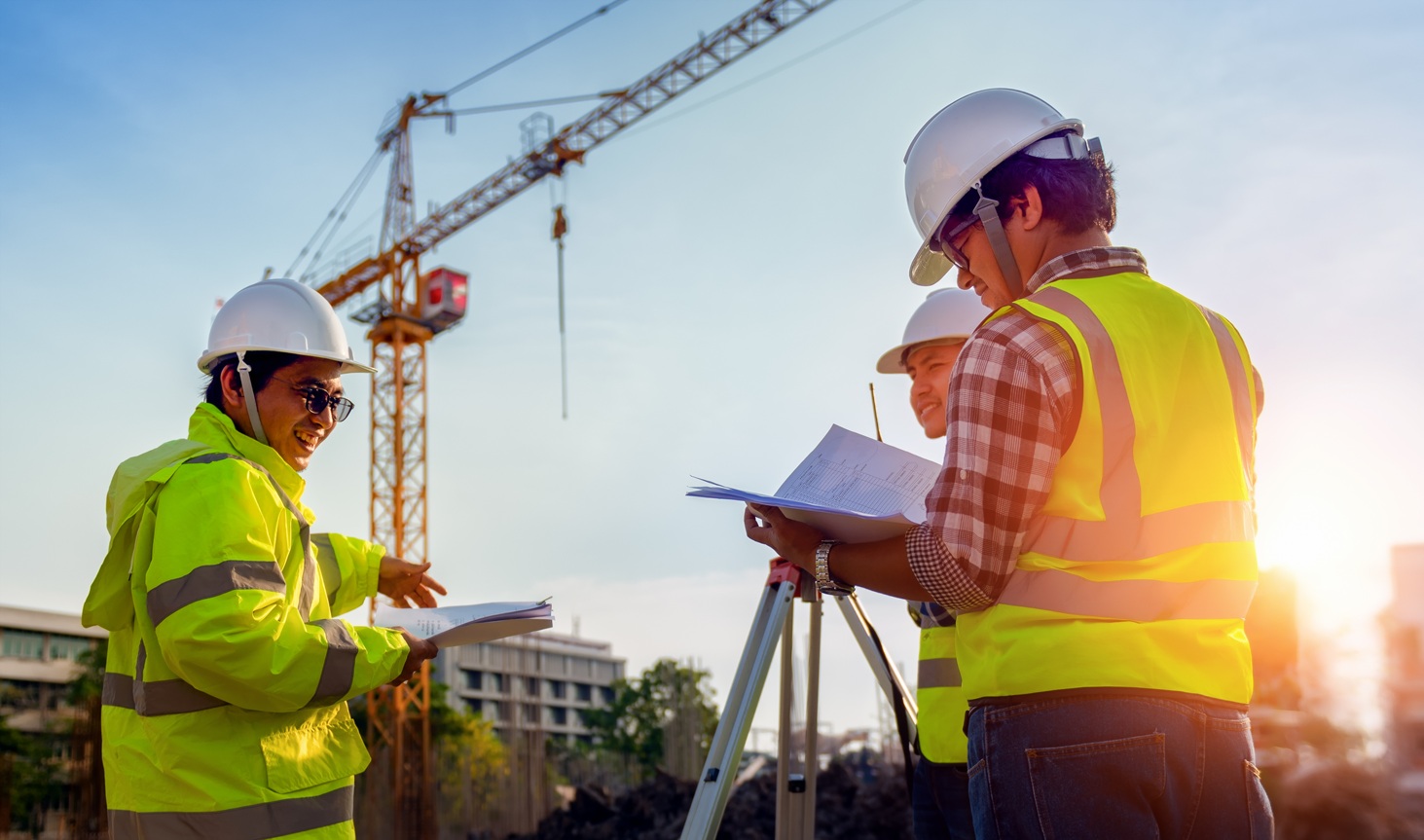
Hybrid construction offers new ways to reduce carbon dioxide emissions from construction and promote the reuse of materials. In the HYBRITUT project, we developed and evaluated construction product solutions that combine wood, concrete, and steel to support the circular economy and sustainable development in the construction sector.
The construction industry is working toward low-carbon practices by developing solutions that reduce carbon emissions and improve the circularity of materials. Hybrid construction offers significant opportunities for promoting low-carbon construction and the circular economy, but the development, standardization, and implementation of these solutions still require further research.
Hybrid construction refers to the combination of components made of wood, concrete, and steel using different connection methods, leveraging the best properties of each material. In the Low-carbon hybrid solutions for construction (HYBRITUT) project, we studied how hybrid construction and related low-carbon solutions can reduce the environmental impacts of construction.
Our key initiatives focused on ensuring the technical functionality of solutions that promote low-carbon development and on developing their design and sizing methods. For example, when structural joints are designed so that they can be dismantled and the components reused when necessary, the life cycle of building components is extended.
We developed methods for assessing the climate impacts of hybrid joints and compared traditional and hybrid structures using life cycle assessment (LCA). The results showed that hybrid buildings significantly reduce carbon dioxide emissions, particularly due to the reusability of building components. In addition to structures, we also studied the use of materials derived from lignin, a byproduct of the pulp industry, in adhesives used for manufacturing wood products. The result was the first fully bio-based lignin adhesive that meets construction industry standards.
The practical guidelines and design methods developed during the project, along with the strengthened international network, support the industry’s transition to low-carbon and sustainable solutions.
Low-carbon hybrid solutions for construction (HYBRITUT) project was implemented between 1.3.2023-31.12.2025. The project received funding from Business Finland. In addition, the project received NextGenerationEU funding.
More info: