A Sustainable Foundation for Agricultural Biomass-Based Biogas Production created in Kanta-Häme
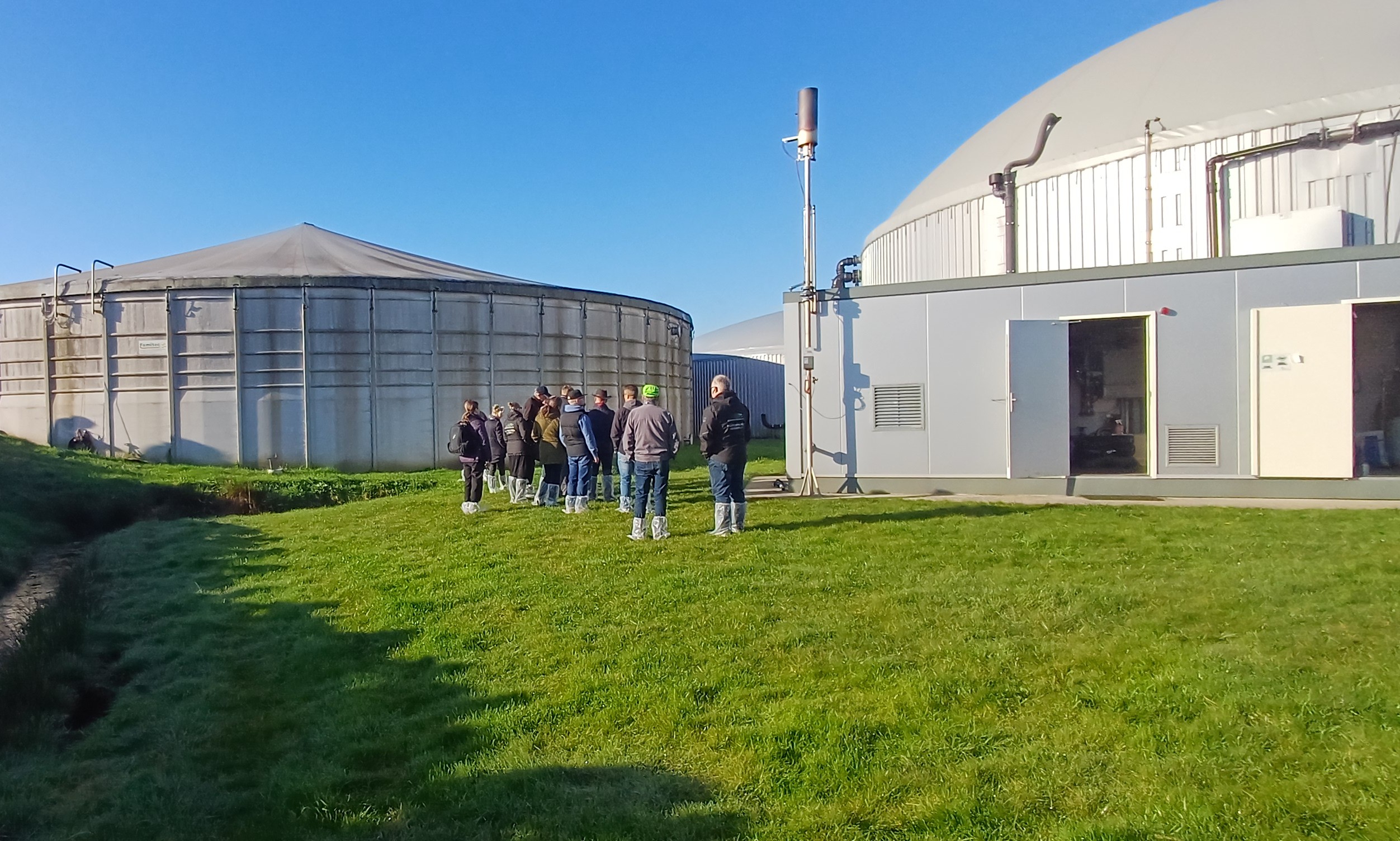
In the BioKanta project, we aimed to comprehensively strengthen the development of the biogas sector in Kanta-Häme by creating the conditions for sustainable, carbon-wise biogas production and an efficient nutrient circular economy in the region. Biogas plants already operate in Kanta-Häme, utilizing, for example, sewage sludge and biowaste. However, biogas production based on agricultural biomass is currently lacking, even though national policy support and the interest of local stakeholders in investments have clearly increased in recent years.
The project’s core premise was to produce up-to-date, research-based, and practical information and support to enable the planning and implementation of new biogas plant solutions at different scales. The objectives also included building a stakeholder network, strengthening cooperation between research institutions and businesses, and generating new knowledge related to integrating biochar with the biogas process.
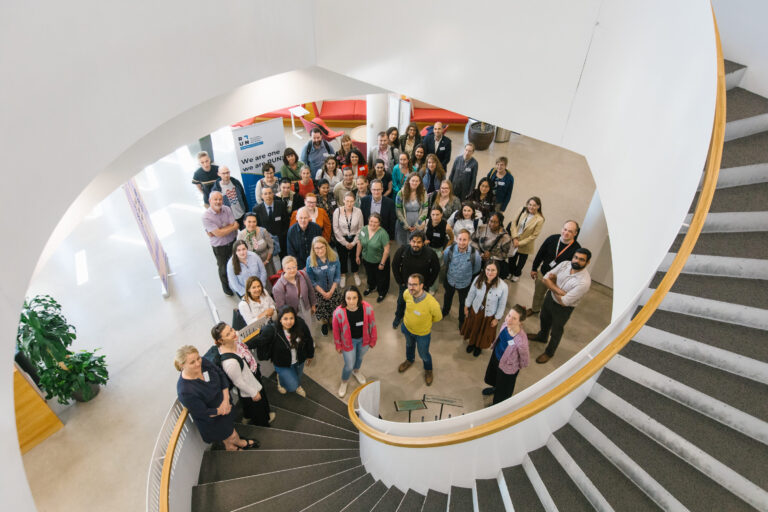
A stakeholder network was established, particularly in the Lammi–Tuulos–Hauho area, comprising a broad range of representatives from farms, companies, municipalities, and development organizations. During the project, the network’s activities became well established, to the extent that regional actors have already continued organizing meetings independently. The creation of the network responded to a clear regional need, as no unifying structure for biogas-related activities existed in the area at the start of the project.
We produced studies that enable the assessment of the feasibility of biogas plant solutions based on different feedstocks and plant sizes. These analyses covered, among other aspects, feedstock availability, logistics, cost structure, nutrient potential, and profitability. Based on this work, new calculation models and illustrative case studies were developed, which can be utilized when preparing for plant investments. Although no actual biogas plant investments materialized during the project, the studies strengthened stakeholders’ knowledge base and created a foundation for future decision-making.
Concrete expert support was provided to new entrants to the biogas sector, including the production of information cards compiling essential knowledge on the planning, implementation, and operation of biogas investments.
From a research perspective, the project generated new scientific knowledge on the effects of biochar at different stages of the biogas process. Experimental activities were carried out at the Natural Resources Institute Finland’s biogas plant, and in addition, a demonstration on the pyrolysis of horse manure into biochar was conducted. The produced biochar was used in test reactors at HAMK’s environmental laboratory as an additive in the biogas process, while its utilization and suitability for the biogas process were studied. The results also attracted international interest, and a scientific publication is being prepared based on them. The project also significantly strengthened research–industry collaboration and established new lasting connections between HAMK and Natural Resources Institute Finland.
Work and Research on Biogas Continue in Häme
The project was communicated both regionally and nationally. The materials produced, such as information cards, publications, webinar recordings, and a simulation tool, are openly available and will continue to serve stakeholders and education in the field even after the project has ended.
Overall, the project has successfully guided the biogas sector in Kanta-Häme toward sustainable solutions, increased expertise at both regional and national levels, and left behind lasting practices and tools that promote the bio-circular economy, nutrient recycling, and renewable energy production in the long term.
In the Lammi–Tuulos–Hauho area, biogas-related events have already been organized as a result of the project. At HAMK, biogas research continues, for example in the new ADmolbio project, where we are exploring new smart methods for monitoring biogas reactor processes in collaboration with biogas operators and water utilities in Kanta-Häme.
Overview
Name: Carbon-wise Biogas and Nutrients for Circulation in Kanta-Häme (BioKanta)
Funding: ERDF (European Regional Development Fund) via Regional Council of Häme.
Duration: 1.1.2023–31.12.2025
Budget: 450 000 €
Partners: Häme University of Applied Sciences (coordinator),
Natural Resources Institute Finland
More information: