My Journey from Short-Term Mobility to a Semester Abroad: Why International Experiences Matter
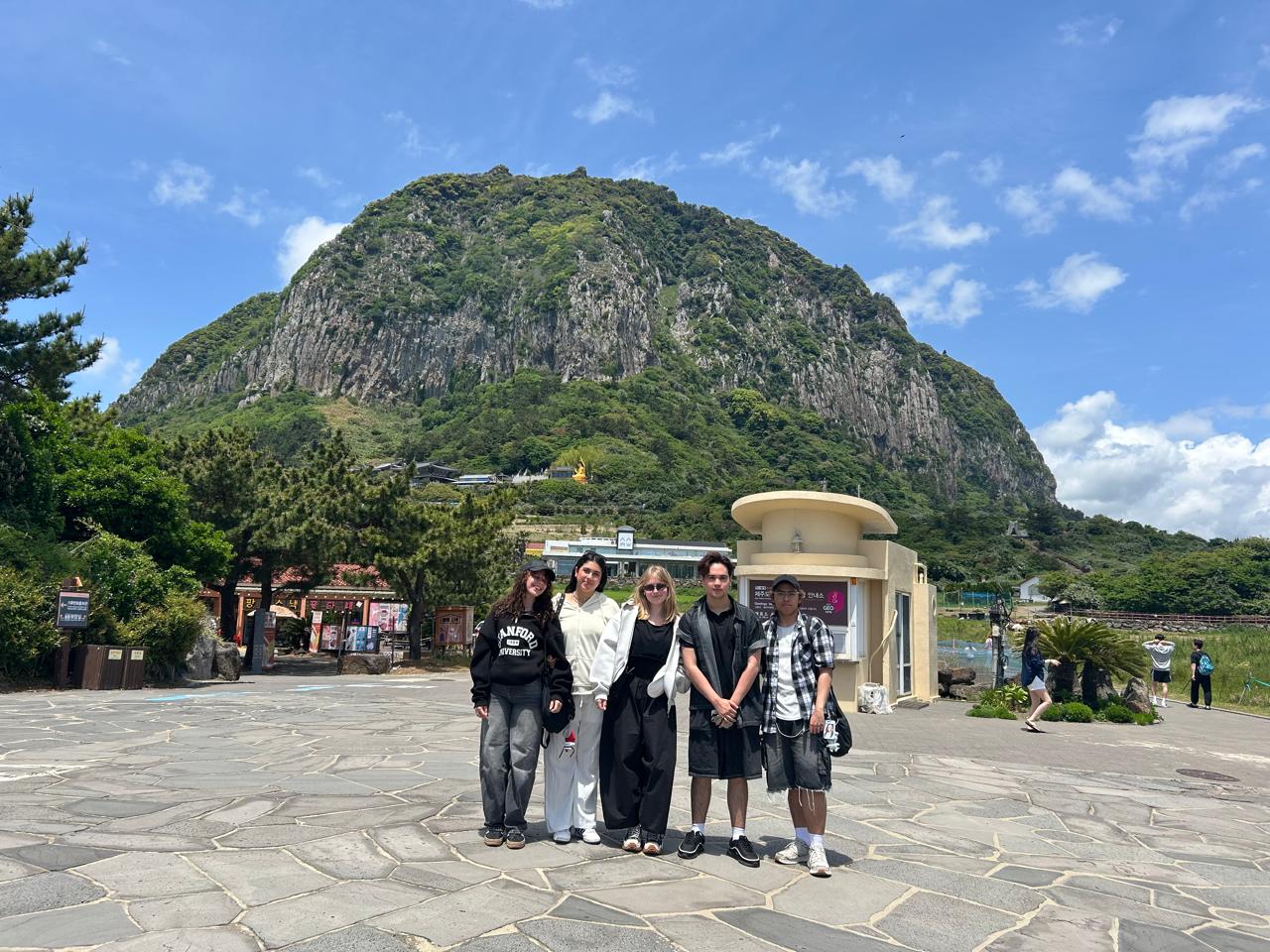
Our student Darja shares her experiences of RUN-EU study opportunities and studying abroad, and how they changed the way she sees her studies, opened new opportunities, and influenced what she wants to do in the future.
My main study programme is Sustainable Forest Management. My studies are mainly focused on the practical and biological sides of forestry. However, over time, I became more and more interested in the economic side of this field and wanted to understand how management and entrepreneurship can be connected to natural resources and forestry.
Understanding what exactly I wanted to study and realising that I was missing some knowledge led me to look for the most suitable opportunity. I was looking for something that could combine intensive learning in an area I was interested in within a short period of time, gaining practical skills by working with professionals in the field, and also having the opportunity to apply the knowledge I gained in practice. At the same time, it was important for me that this kind of format could be combined with my main studies.
Why RUN-EU?
RUN European University’s short-term learning opportunities combine online studies with a short about a weeklong mobility in one of the RUN-EU universities. This format was suitable for what I was looking for.
My first Short Advanded Programme (SAP) was about Introduction to the Social and Solidarity Economy and took place in Austria.
I realised that short mobility can be a way to gain knowledge that I was missing in my main programme, try myself in a completely different field, and at the same time continue my studies at HAMK without interruption.
The learning concept was very unique compared to regular university studies. During just one intensive week of the programme, I gained a good theoretical foundation and understanding of the main concepts of the topic. After that, the work continued in international teams with students from different countries, where we applied our knowledge in practice and learned from each other. What made the programme unique was that the learning was not limited to lectures. There was a constant transition from theory to practice, discussion of different approaches, and analysis of problems from different perspectives. It was then that I realised how much an international educational environment can offer.
What Changed After My First RUN-EU Experience?
After my first SAP, I started to look at international opportunities differently. Before that, I saw them more as something additional to my main studies. But after this experience, I realised that short mobility can be a way to gain knowledge that I was missing in my main programme, try myself in a completely different field, and at the same time continue my studies at HAMK without interruption.
After that, I started looking for new opportunities through RUN-EU and gradually participated in other short mobility programmes. Each experience was a little different. Learning about new topics, working with new people.
At the same time, I gradually started to understand better what kind of knowledge and skills I wanted to develop further.
But over time, I became interested in what I could gain if the international experience lasted not just one week, but a whole semester. After several short mobility experiences, I already felt much more confident in an international educational environment, so a long-term exchange became the next natural step for me.
Long-Term Exchange Experience
I decided to spend a semester at Kyung Hee University in South Korea. During short learning opportunities, I had only a few days or a week to get to know the educational environment, the people, and the topic. Now I had a whole semester to really immerse myself in the studies and the culture of the country.
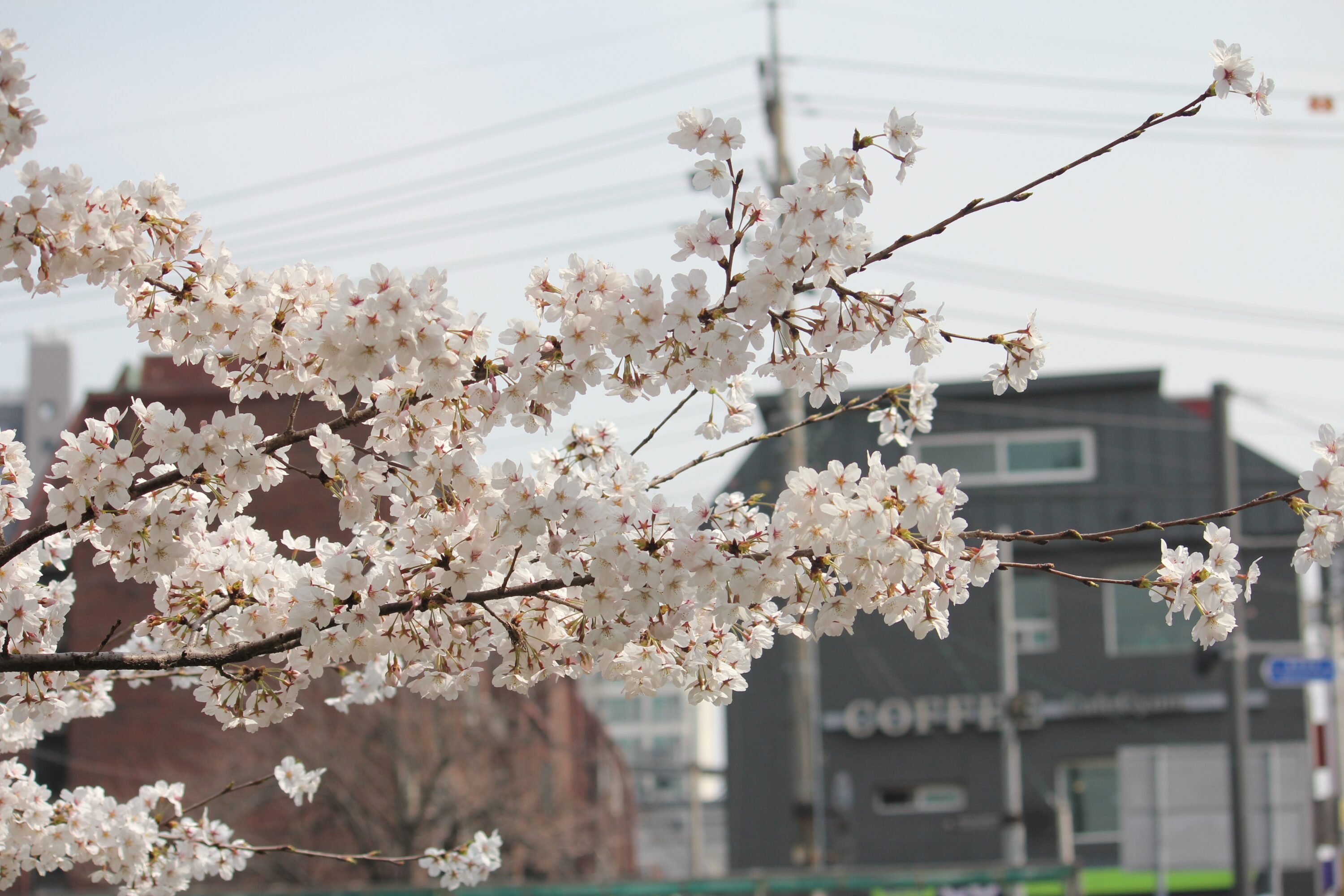
During my exchange, I studied at the Faculty of International Studies and took courses in political science and international economics. Studying something so far from my original programme was especially interesting. It allowed me to better understand economic processes and how they are connected to society, states, and international relations. It expanded my understanding of how interconnected different fields of knowledge are.
But the long-term exchange gave me more than just academic experience. I also had to adapt to a new country, university, education system, and everyday life. Unlike short mobility, where the programme is very intensive and structured in advance, during a semester exchange you have much more time to organise your own life, find your own rhythm, and really feel like part of a different environment.
Short-term programmes helped me take my first steps, try new fields, and feel more confident in an international environment. A long-term exchange then allowed me to go further and really immerse myself in it.
One of the most valuable parts of the exchange for me was the people. I met students from different countries and spent much more time with them than during short-term programmes. This allowed me to build much deeper and stronger relationships that I was able to take with me beyond the exchange.
One Opportunity Led to Another
Now, I do not see my short mobility and long-term exchange experiences as two completely separate experiences. For me, they became a continuation of each other. Short-term programmes helped me take my first steps, try new fields, and feel more confident in an international environment. A long-term exchange then allowed me to go further and really immerse myself in it.
Now, as I work as a Student Assistant in the Mobility and RUN-EU Team at HAMK, I can look at this journey from a different perspective. A few years ago, I was a student who simply saw an opportunity and gradually started trying different forms of international mobility. Today, I am part of the team that helps other students find these opportunities and take their first step.
My experience has shown me that international mobility does not necessarily have to start with a big decision. Sometimes it can be just one week, but that small experience can open an interest in something new and later lead to much bigger opportunities.
RUN European University
We are part of RUN European University, which brings together ten European higher education institutions from nine countries committed to a common vision.