Revolutionizing steel reuse
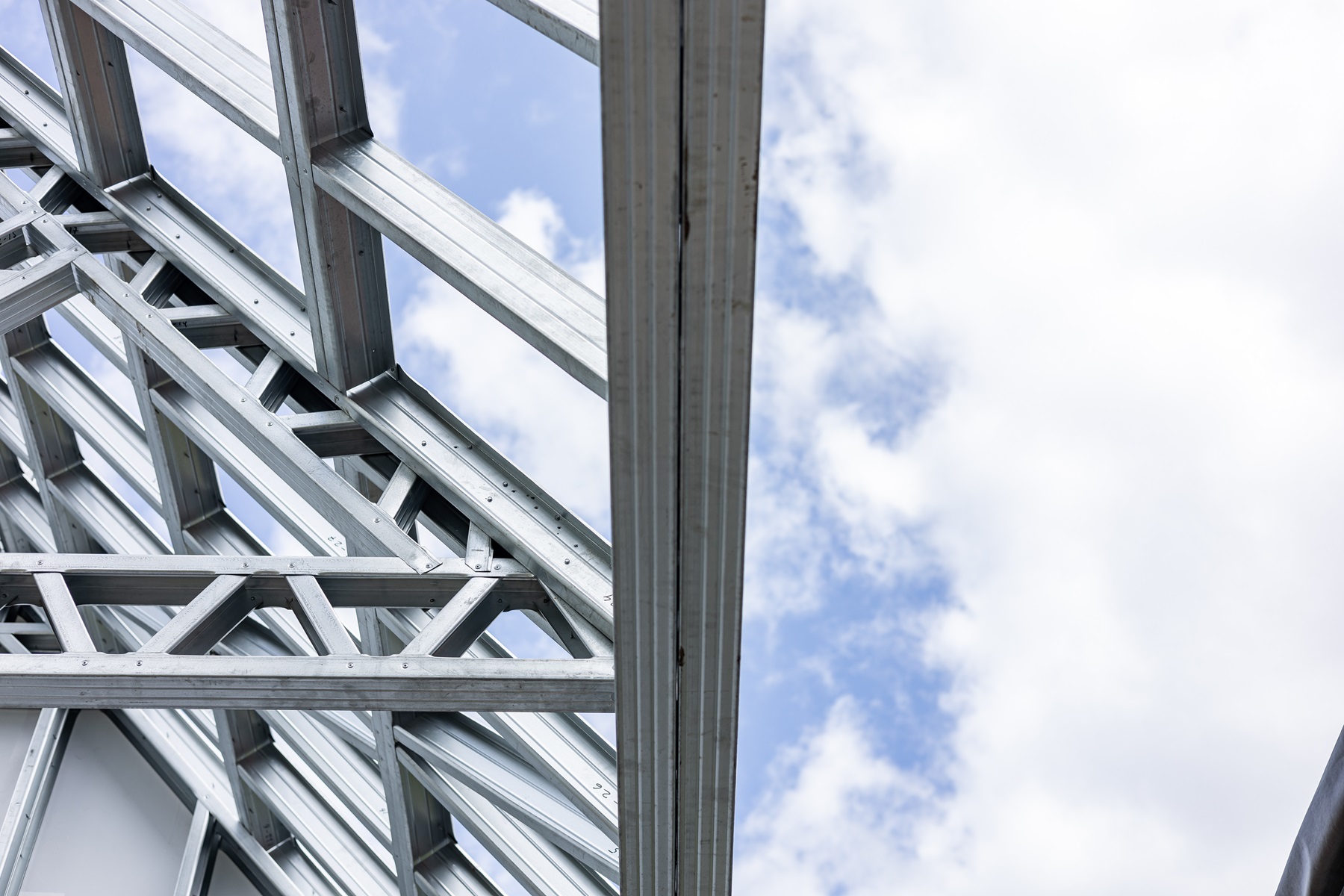
How could steel elements be remanufactured and reused without energy-intensive recycling processes? Through DreamFAB project we develop demountable steel structures, technical rules and solutions to make the circular reuse of structural steel both practical and environmentally beneficial.
Steel recycling relies largely on energy‑intensive melting, even though many steel elements could be reused as they are or by refabrications. Reuse of structural steel could significantly reduce carbon emissions, energy use, and material waste. At HAMK, we address these challenges by developing technical rules and guidelines that ensure the structural safety of reused steel building components.
In the Deconstruction and refabrication for the reuse of steel buildings (DreamFAB) project, one of our goals is to make steel structures demountable and reusable as an alternative to welded structures. With our partners, we develop the guidelines and innovative solutions needed to safely reuse and re-fabricate the structural steel. The goal is to enable steel elements in buildings to be remanufactured and reused without energy-intensive recycling processes.
Enabling safe reuse of structural steel through reversible connections
In the project we aim to make structural joints that are strong and reversible, so that elements can be taken apart and reused as they are instead of being melted into new steel. Current practice often focuses only on strength and rarely considers the full cycle of construction, deconstruction, and reuse of steel elements.
We address the challenges related to welding removal and steel strength degradation to ensure safe reuse, an end goal being influencing future Eurocode standards and industry practices. We build the experimental and numerical evidence needed to make demountable steel construction practical, which in turn helps to increase the reuse rates and reduce waste.
Our research at HAMK focuses especially on composite beams, roof trusses, and robot-assisted deconstruction. At the moment we are focusing on developing and testing a new way to connect these truss elements using self-drilling screws. Next, with our partners in Portugal, we’re also exploring robotized assembly and disassembly of this new style of demountable joints to boost speed, consistency, and safety. This will include evaluating real world constructability and cost effectiveness.
The DreamFAB project runs from 1.9.2023–31.8.2027 and is funded by the European Union Research Fund for Coal and Steel (RFCS).
The research is done with eight partners: SSAB Europe Oy, Würth Oy, Politehnic University of Timisoara from Romania, Jupa S.A. from Spain, and University of Coimbra, STAR Institute, ROBOPLAN and FERPINTA Group from Portugal.
More info: