Summer Internship at HAMK

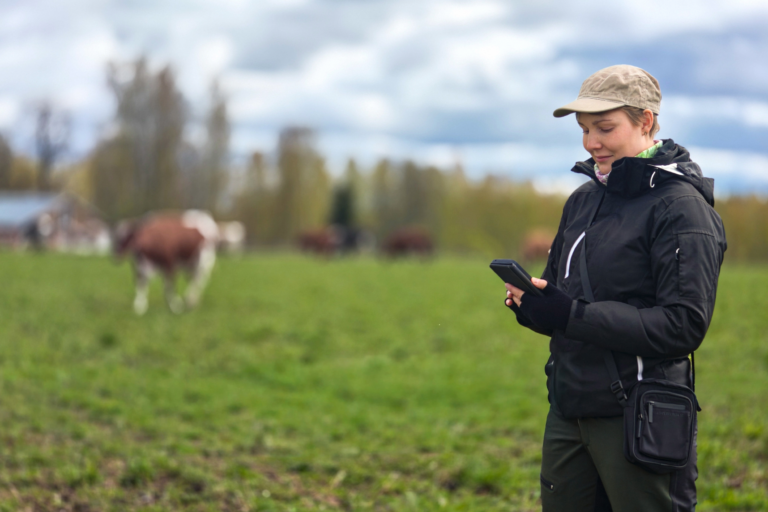
HAMK’s Edu Research Unit had several enthusiastic young interns over the summer. High school student Unna Timonen shares her experiences working with research projects at HAMK.
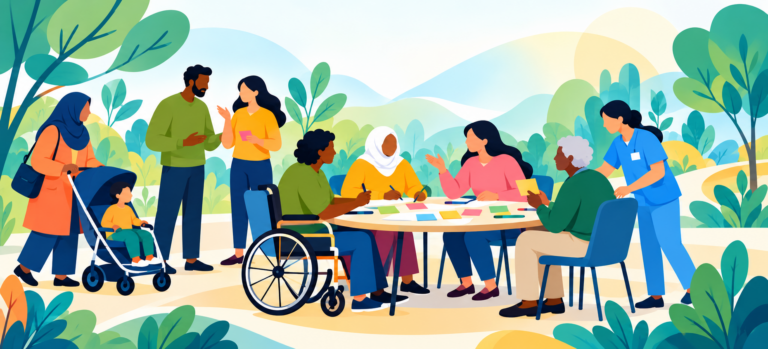
During my summer internship at HAMK, I had the opportunity to learn about the BLUE HOUSES project. The project’s main point is to develop better support for autistic parents and professionals who work with them. The project focuses on four main questions: what kind of support autistic parents need, what challenges they face in their everyday lives, what skills professionals need to support them, and how services could be improved to better meet the needs of families. The project has helped me understand how different families’ needs can be and how little resources are available for autistic parents.
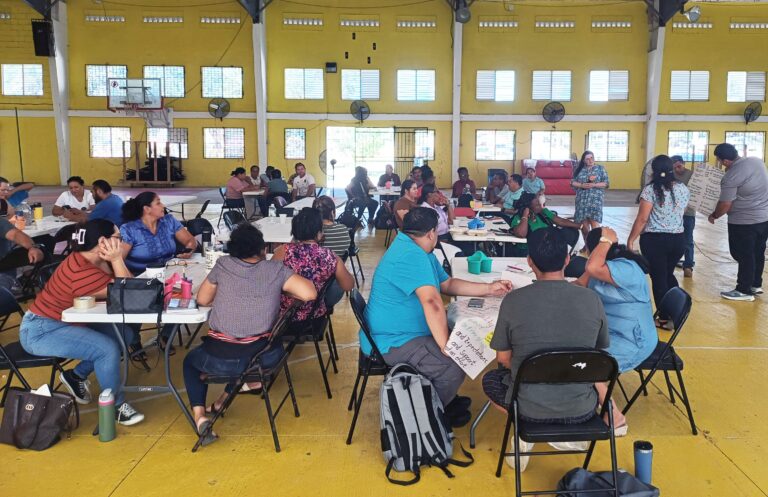
The information was gathered by collecting it through focus group projects in four different countries involved in the project: Cyprus, Poland, Portugal and Spain. Both autistic parents and the professionals who work with them took part in the discussions. Their experiences and views were analysed and used as a basis for the project’s results. The focus groups were formed so that they included participants with different perspectives. In each country, one focus group was organised for autistic parents and another for professionals working with them.
The discussions followed a prepared guide, which included topics and questions decided in advance. However, the participants also had the opportunity to freely share their own experiences. This made it possible to learn about both practical challenges in everyday life and things that work well.
Many of the same problems came up in different countries. For example stress in everyday life, difficulties in accessing services and the need for clear support. That means support that is easy to understand, practical, and genuinely makes daily life easier for parents. The main differences were in how much support was available and how well the needs of autistic parents were recognised in different services.
New insights and perspectives
I was especially interested in the project’s results. They showed that autistic parents face many practical difficulties in their daily life. These can be sensory overload, bureaucracy and difficulty in accessing services. At the same time the report clearly brought up that autistic parents have many strengths. These include the ability to create clear routines, a strong commitment to their children’s wellbeing and a deep understanding of their children’s needs. What particularly touched and upset me was how the parents fear that they may lose custody of their children because they don’t get proper support.
As I have gotten to know the project more, I have realized how important it is that services and support are planned taking into account all kinds of needs. I have also gotten a better understanding of how different challenges that autistic parents face are not necessarily caused by the individual themselves. Instead, they can be caused by the fact that society and services do not always meet their needs.
As a summer intern the project has shown how important it is to listen to people’s own experiences in the development of services. In my opinion this kind of research helps identify problems that might otherwise go unnoticed. In the long term it can help create more equal services and better support for families.
BLUE HOUSES
BLUE HOUSES is a three-year international project co-funded by the European Union. We develop practical ways to support autistic parents and neurodivergent families through education, guidance, and shared expertise.
BLUE HOUSES is being implemented as a European collaboration in Spain, Finland, Portugal, Poland, Belgium, and Cyprus. Development work, piloting, and awareness-raising activities are carried out in close cooperation in these countries. We want to ensure that the solutions developed can also be widely used outside the project partner countries.