Computer Applications Students Created Solutions for AI, Accessibility and Wellbeing Challenges
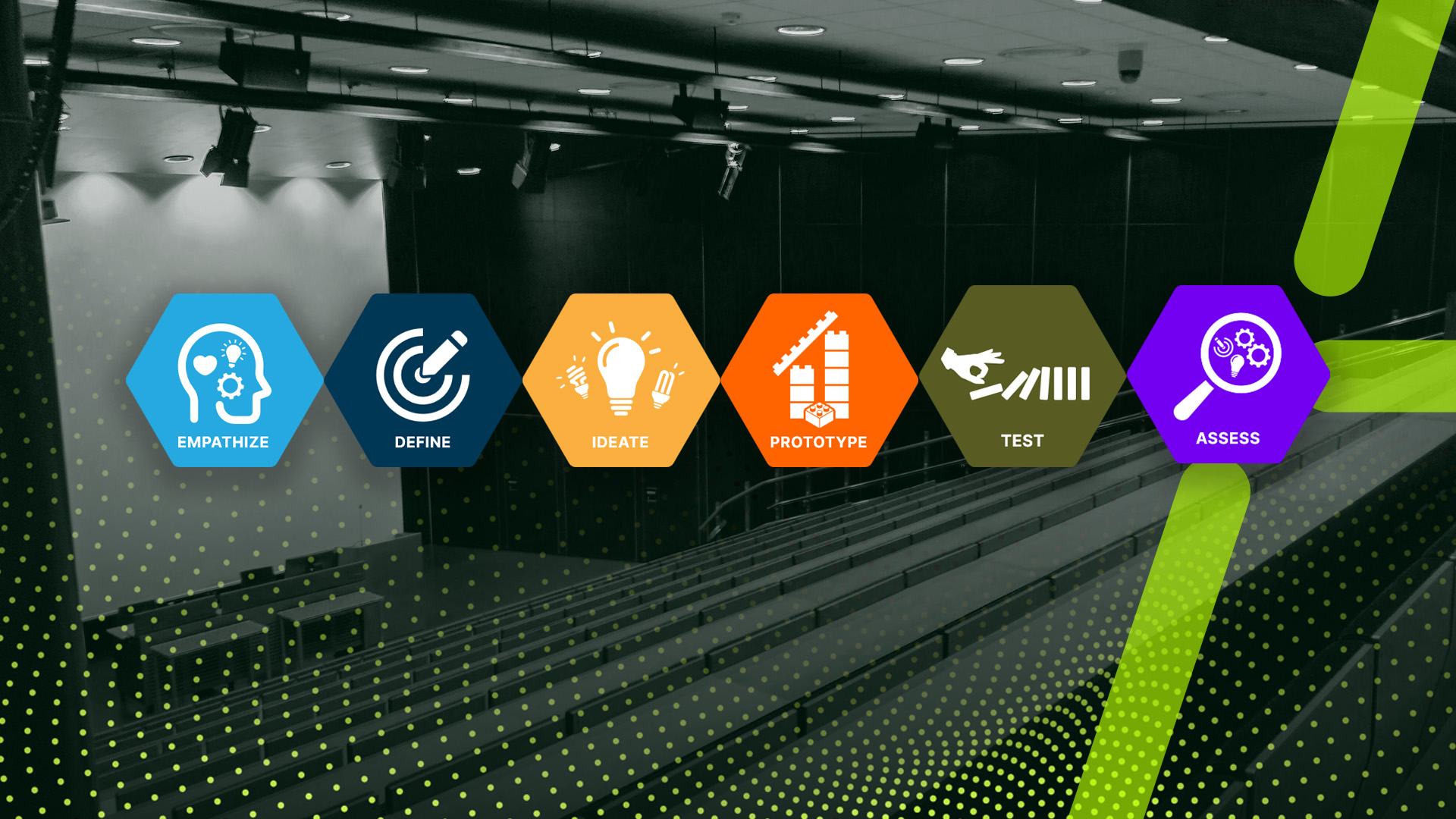
How can artificial intelligence simplify information management? How can digital services become more accessible for older users? And what kinds of digital solutions can support people living with memory disorders? These were some of the questions tackled by students from HAMK’s Information Technology and Computer Applications degree programmes in collaboration with external clients.
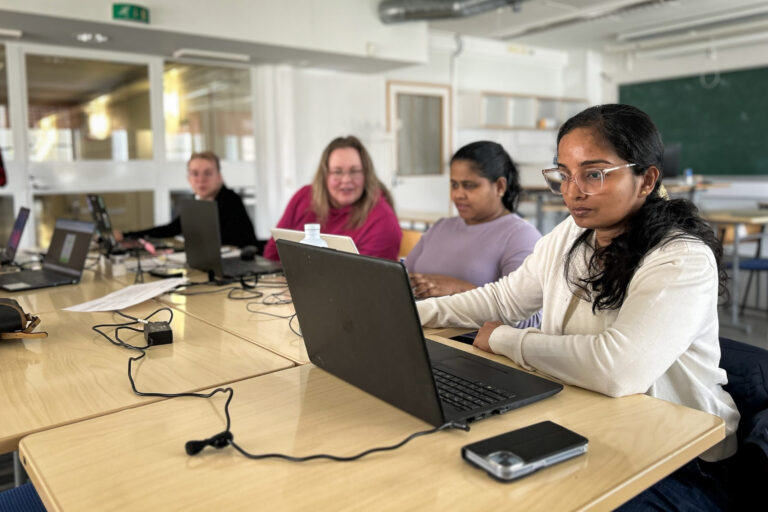
The Design Factory project culminated at HAMK’s Visamäki campus, where student teams presented their solutions to the commissioning organizations. Throughout the project, students met with clients and received feedback to support the development of their ideas. These discussions helped teams gain a deeper understanding of user needs and organizational goals while providing valuable experience in customer collaboration, communication, and project work in a real-life context.
Three Clients, Three Different Challenges
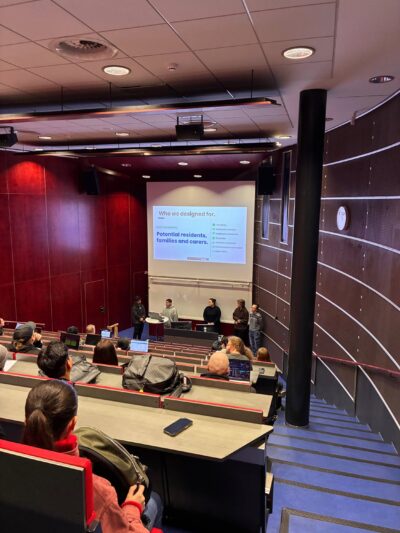
Project partners were Memoera, Finncare and Suomen eOppimiskeskus. Each organization presented students with a unique development challenge.
Memoera challenged students to create new game-based solutions for people living with memory disorders. The company is developing a system where physical objects moved on a table control actions displayed on a screen. Students were tasked with designing and prototyping new games, exercises, and use cases to support the further development of the system.
Finncare, an Australian provider of aged care services, sought fresh perspectives for improving its website. The goal was to find solutions that would enhance usability, accessibility, and maintainability while better serving clients, family members, job seekers, volunteers, and professional stakeholders.
For Suomen eOppimiskeskus, students focused on the use of artificial intelligence and automation in newsletter production. The organization is looking for ways to monitor large volumes of information from multiple sources and use AI responsibly, cost-effectively, and in compliance with copyright requirements.
Student Ideas Brought New Perspectives
The project gave participating organizations an opportunity to view their development challenges from new angles. According to Kaisa Honkonen, Executive Director of Suomen eOppimiskeskus, one of the project’s most valuable outcomes was seeing the variety of solutions students were able to develop for the same challenge.
– We can practically wish for anything, and the students will find a solution to meet our needs.
Kaisa Honkonen, Suomen eOppimiskeskus
Honkonen also noted that some of the most surprising ideas emerged from details that the organization itself had not considered particularly significant.
– We were surprised that students picked up on ideas that had only been mentioned in passing and still managed to develop workable solutions for them.
The ideas developed during the project were more than course assignments. From the clients’ perspective, the solutions provide concrete opportunities for further development and innovation. According to Honkonen, some of the proposed solutions may eventually find their way into practical implementation.
Collaboration Benefits Everyone Involved
The project demonstrates how collaboration between higher education and working life can benefit both students and organizations. Students gain practical experience applying their skills to real-world challenges, while organizations receive fresh perspectives, new ideas, and innovative approaches to development.
ePortfolio Makes Learning Visible
The ePortfolio served as a common thread throughout the project, allowing students to document the different stages of their work, their learning experiences, and the outcomes produced during the projects.
The portfolio helps students recognise how their skills develop and articulate their competence for future working life. At the same time, it makes visible the growth of professional expertise gained through solving real-world challenges.
Read more about the degree programmes